The Nobel Prize in Literature has long been one of the most respected honours in the world of books. Every year, readers wait with a mix of buzz, debate, and wild speculation for the announcement. If you’ve ever wondered why certain authors headline this global moment or want a clear guide to the major Nobel Prize in Literature winners, you’re in the right place.
This blog walks you through the prize’s history, what it celebrates, and a curated list of iconic authors you should add to your reading list.
Last year, South Korean writer Han Kang won the prize for her emotionally rich, socially piercing body of work. This year, The Nobel Prize in Literature for 2025 is awarded to the Hungarian author László Krasznahorkai, “for his compelling and visionary oeuvre that, in the midst of apocalyptic terror, reaffirms the power of art”.
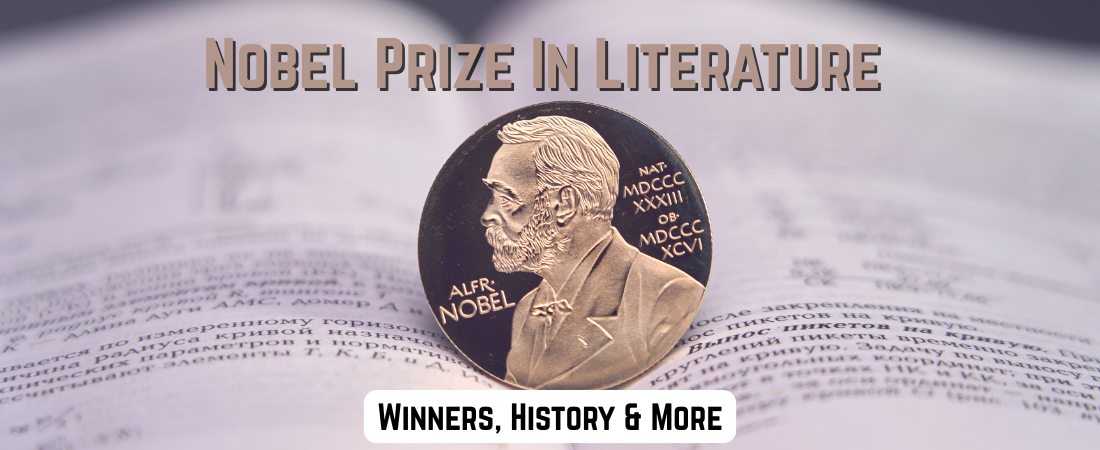
The Nobel Prize in Literature is rooted in Alfred Nobel’s own love for reading. He grew up surrounded by books, spoke several languages, and even attempted to write fiction in his later years. Literature was the fourth prize mentioned in his will—proof of how deeply he valued the written word.
The award is given by the Swedish Academy in Stockholm, and it honours authors whose work has shown an “ideal direction” in literature. It celebrates imagination, cultural impact, clarity of voice, and the power to move readers across borders.
Quick Facts:
Source: www.nobelprize.org
The Academy looks for literary excellence, influence, and originality—writing that shifts how we think, feel, or imagine the world. The winner can come from any language, nation, or genre. Fiction, poetry, drama, and even songwriting qualify.
Fun Fact: In 2016, singer Bob Dylan was awarded the Nobel Prize in Literature for “creating new poetic expressions within the great American song tradition.” He became the first songwriter to be honoured, making it an unforgettable moment in Nobel history.
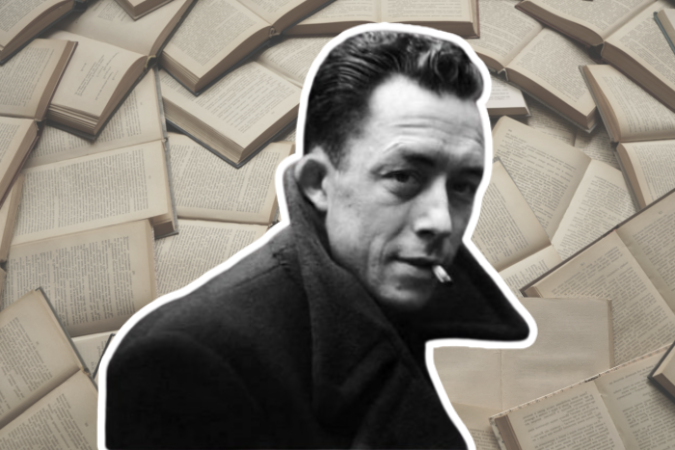
A French-Algerian writer and philosopher, Camus is known for his works on existentialism and the absurd. His iconic novels The Stranger and The Plague continue to influence global literature. He accepted the Nobel Prize at age 44, one of the youngest winners. His writing is sharp, humane, and rooted in moral reflection. His novels still feel startlingly modern, proving that questions about morality and freedom never go out of style.
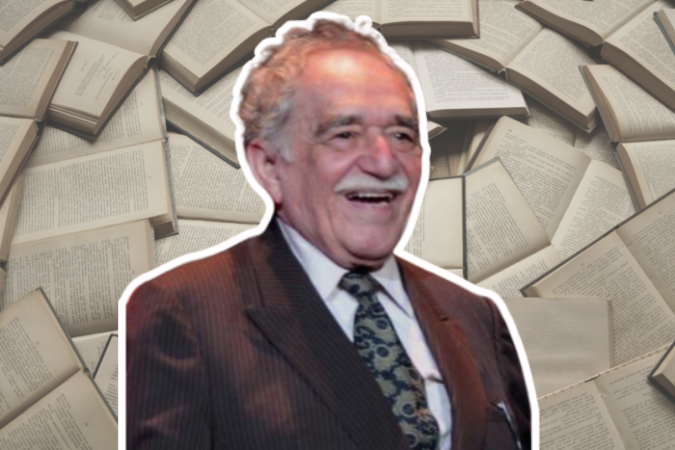
The master of magical realism, Márquez transformed storytelling with One Hundred Years of Solitude and Love in the Time of Cholera. His lush prose captured the political and emotional pulse of Latin America. He accepted the award with a legendary speech about solitude and hope. His storytelling continues to shape how the world understands Latin America’s magic, politics, and heart.
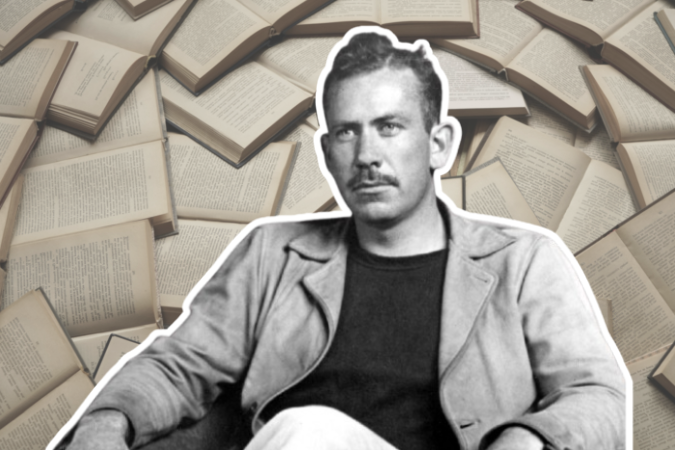
An American novelist with deep empathy for working-class struggles, Steinbeck is beloved for The Grapes of Wrath, Of Mice and Men, and East of Eden. His writing blends social commentary with emotional force. He accepted his prize acknowledging the writer’s duty to speak for the vulnerable. His characters linger long after the last page, reminding us how ordinary lives carry extraordinary weight.
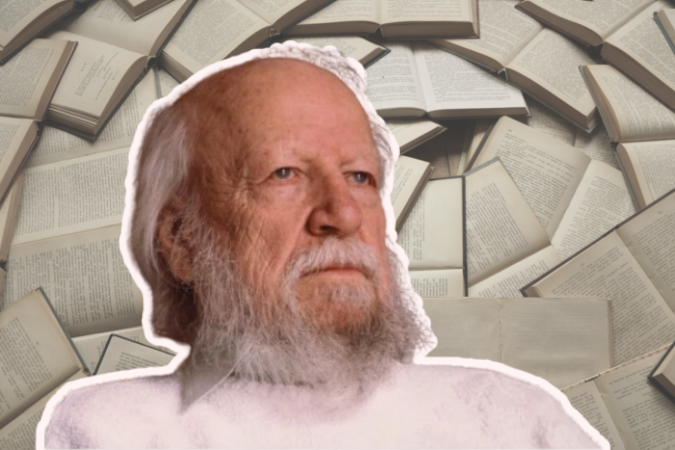
Best known for Lord of the Flies, Golding explored the darker instincts of human nature. His stories deal with morality, power, and the fragility of civilisation. Though critics debated his win, the Swedish Academy praised his universal storytelling. His work forces readers to look inward, asking tough questions about the instincts we try to hide.
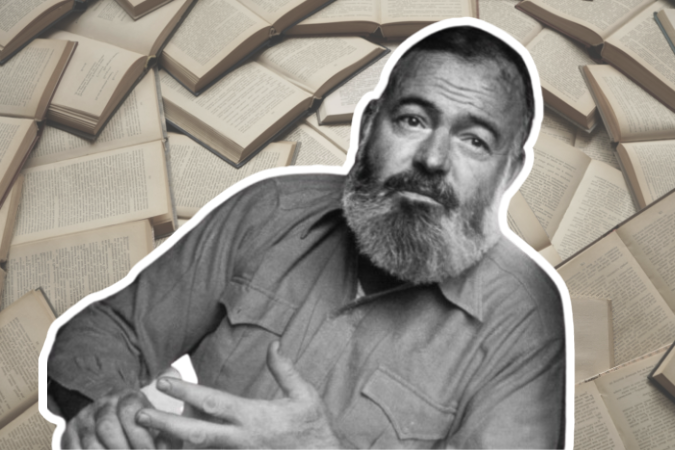
A literary giant whose crisp, pared-down prose reshaped American writing. Hemingway wrote The Old Man and the Sea, A Farewell to Arms, and For Whom the Bell Tolls. He won for his narrative mastery and his impact on modern fiction. His stripped-down style still influences writers everywhere, proving simplicity can cut the deepest.
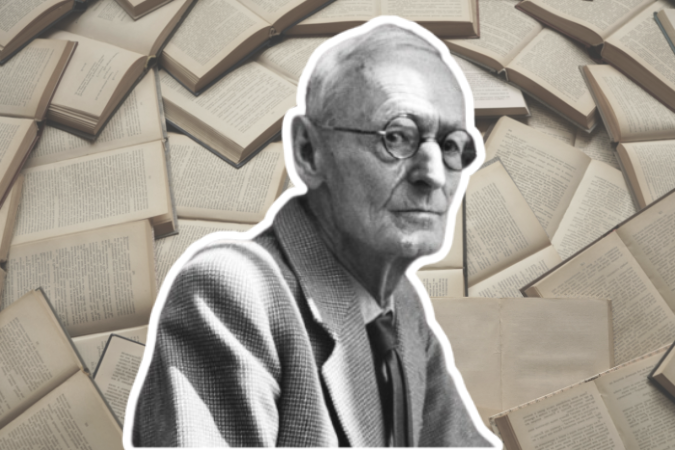
A novelist and poet whose works explore spirituality, identity, and self-discovery. Siddhartha and Steppenwolf remain beloved for their philosophical depth. Hesse won the Nobel for his bold psychological exploration. His books continue to attract readers searching for inner clarity in a noisy world.
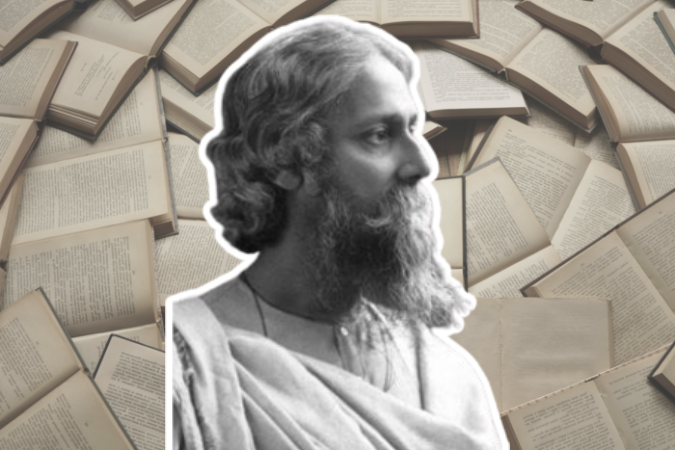
The first non-European Nobel laureate in literature, Tagore reshaped global perceptions of Indian writing. His poetry collection Gitanjali was praised for its spiritual beauty and lyrical refinement. He accepted the award with humility and grace. His ideas on humanity and harmony remain timeless, echoing far beyond the borders of Bengal.
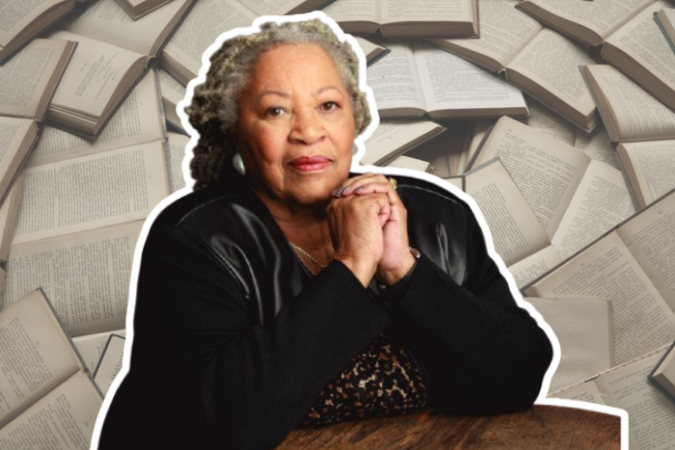
An American literary icon, Morrison centred Black identity, memory, and generational trauma in her work. Beloved, Song of Solomon, and The Bluest Eye are modern classics. She accepted the Nobel with a powerful speech on language and liberation. Her writing doesn’t just tell stories, it demands that readers feel the full emotional truth of her characters’ lives.
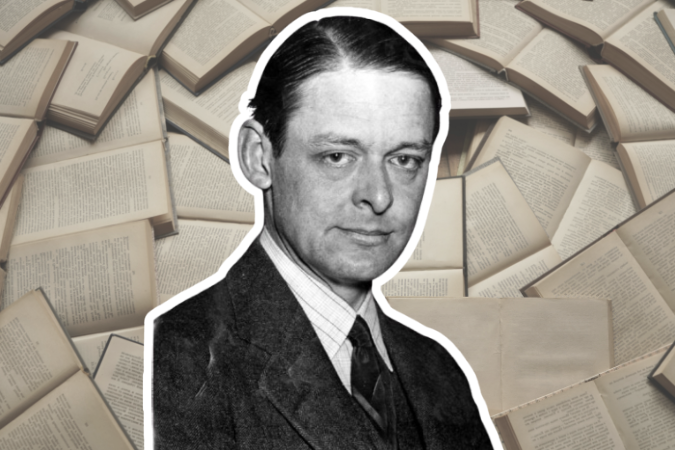
A modernist poet whose works transformed 20th-century literature. The Waste Land, Four Quartets, and his criticism shaped generations of writers and thinkers. Eliot accepted the prize for his profound literary influence. His influence stretches across literature, music, and theatre, shaping modern culture in ways most readers don’t even realise.
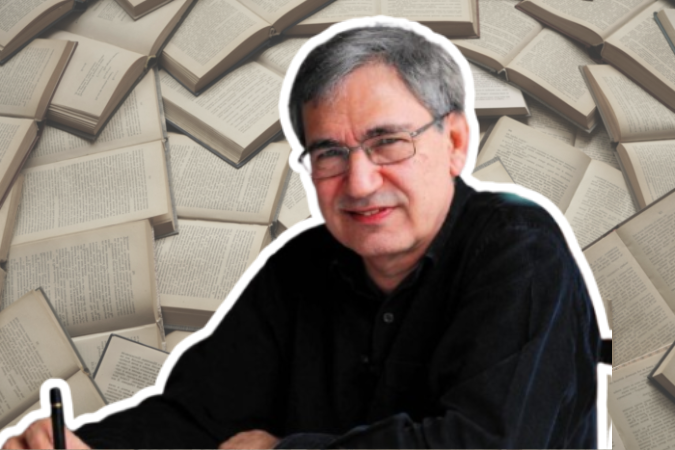
Turkey’s most celebrated contemporary novelist. His novels My Name Is Red, Snow, and Istanbul blend identity, politics, and history with distinctive narrative flair. Pamuk accepted the award for creating rich cultural bridges through his storytelling. His novels feel like walking through a museum of memory, where every object holds a quiet, powerful story.
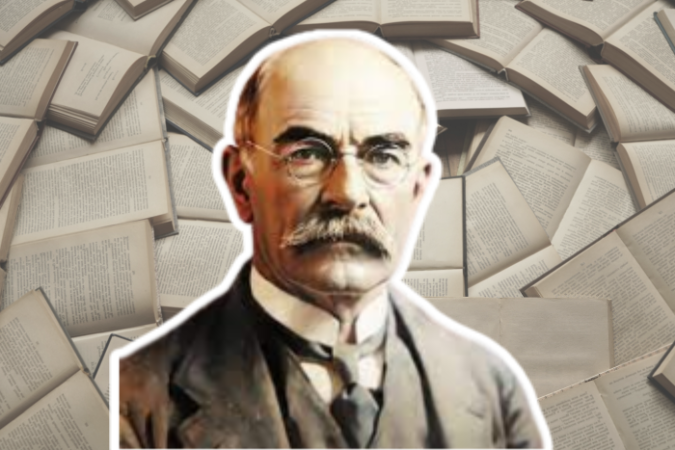
Author of The Jungle Book, Kim, and beloved children’s poetry. Kipling became the youngest-ever Nobel laureate in literature at age 41. He was honoured for his vivid storytelling and cultural observations. His tales continue to enchant generations, proving that adventure never goes out of fashion.
The Nobel Prize in Literature is more than an award. It’s a celebration of ideas, stories, and voices that reshape the world. These authors continue to influence how we read, think, and understand each other.