
The movement of pieces is only a part of the chess game. Any small mistake could change the result of the game, which makes time, patience, and judgement essential for the game. Not only does it make one want to play the game, but also it becomes interesting to understand it. One need not know everything about the entrance to the game, nor should one know all the rules. It may be best to enter the game by understanding it and thinking through the game’s various positions.
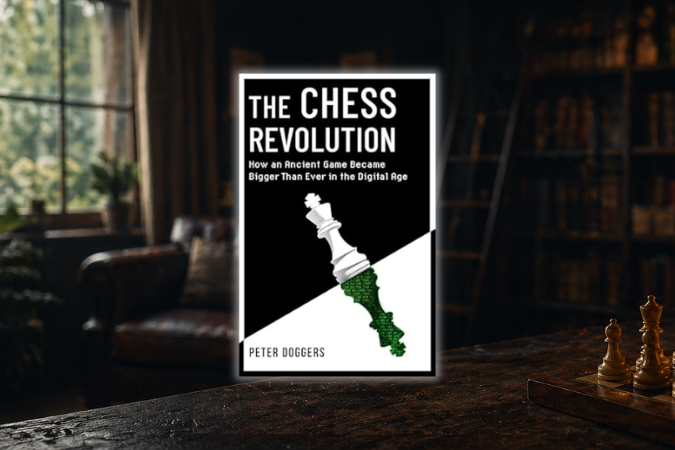
This book describes how chess has evolved in the modern day, particularly with regard to internet platforms and artificial intelligence. Major competitions, players, and how the game has grown more accessible and worldwide are all covered. You gain a comprehensive understanding of how the modern chess scene functions outside of the board.
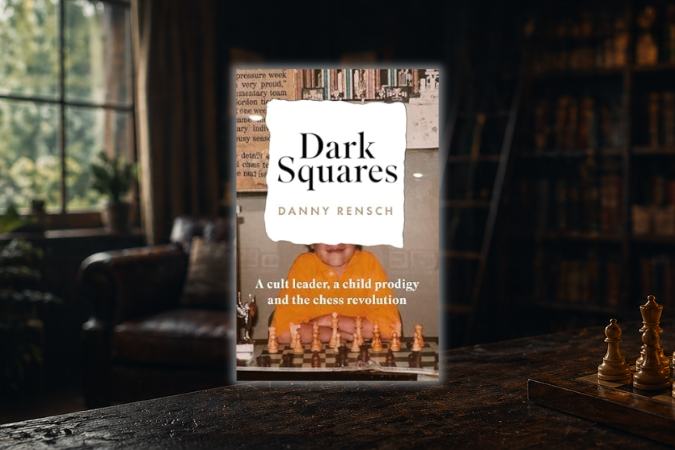
Personal narrative on Danny Rensch, whose exposure to chess came while growing up in tough conditions. In the book, one learns how he used chess as a tool to help him cope with challenges and build a career. It touches on the current state of chess as a competitive sport and its virtual version.
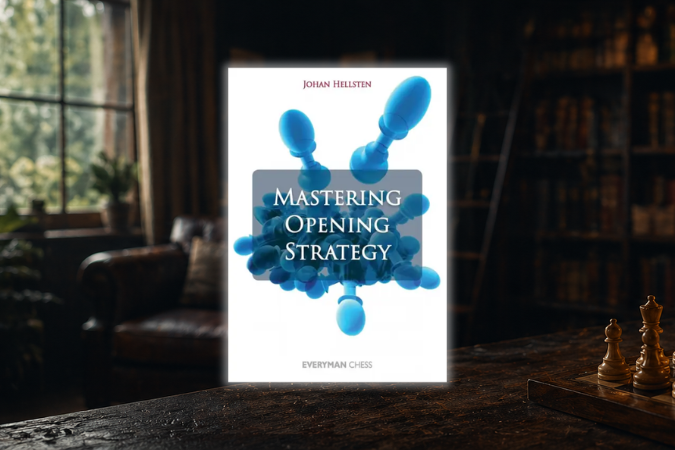
This book discusses why the first few moves are important and concentrates on the opening phase. Development, center control, and avoiding early errors are among the topics it teaches. It increases comprehension rather than memorization of openings. Exercises are also included so you may put what you’ve learned into practice. organized and useful for enhancing actual games.
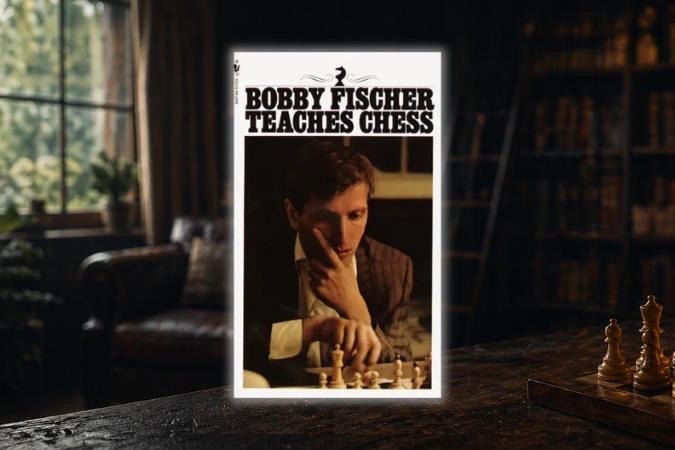
One of the best selling introductory chess books ever! Focuses on checkmates and tactics through puzzles. You’ll learn faster and have more fun if you solve problems on your own. Extremely easy to understand and does not assume you know chess notation. The idea is to slowly build up your ability to recognize patterns.
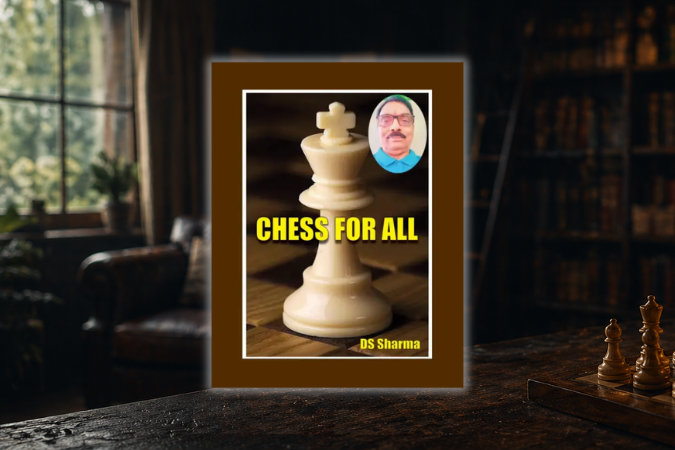
The exercises and easy riddles will be very helpful for you in this book. This book will help you understand the basic strategies and movement of pieces. You will feel confident because the level increases slowly and steadily. This book stresses on practical training rather than theoretical aspects.
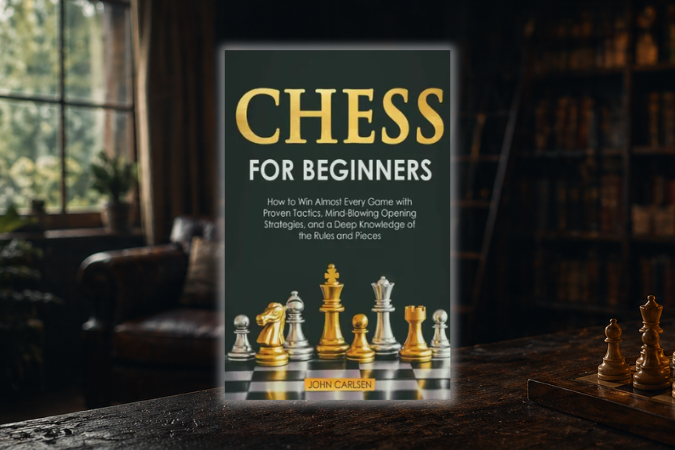
A more complete guide that covers openings, middlegame ideas, and endgame basics. It also includes sample games and puzzles to practice. The book is designed for both beginners and intermediate players. It works well as a self-study guide. You get a mix of explanation and application in one place.