Every year on the 14th of March, something quietly wonderful happens. Mathematicians, teachers, and curious minds around the world mark International Maths Day — better known to most people as Pi Day, named for the fact that 3/14 matches the first digits of π (3.14…). It’s the kind of occasion that makes maths feel less like a subject you survived at school and more like something worth actually celebrating.
And if you’re looking for the best way to mark it? These best math books are hard to beat.
Pi Day has been an unofficial celebration in maths circles for decades, but in 2019, UNESCO made it official, designating March 14th as the International Day of Mathematics. The choice of date was deliberate and fitting: π, or pi, is one of the most famous constants in all of mathematics. It appears wherever there are circles, waves, and repeating patterns — which, as it turns out, is almost everywhere.
But the day was always meant to be about more than just pi. Schools, universities, and science communities mark it with puzzles, lectures, competitions, and events designed around one simple idea: that mathematics isn’t just an academic requirement. It’s a universal language — one that quietly underpins almost everything we know, build, and discover.
Here’s the thing about mathematics: it never really stays on the page. The same principles you may have found baffling in school are at work, right now, in the phone in your pocket, the financial system your salary passes through, and the algorithms that decide what you see online.
Algorithms, encryption, and machine learning all rest on mathematical foundations. Interest rates, risk models, and investment strategies are built from mathematical calculation. Physics, chemistry, and engineering — every major scientific breakthrough, at some level, required someone doing the maths first. Even the everyday business of interpreting statistics and making decisions under uncertainty is, at its core, applied probability.
Mathematics, in other words, is not an isolated subject. It’s the underlying structure of a remarkable amount of modern life — which makes it, when you approach it the right way, one of the most interesting things you can possibly read about.
The books on this list do exactly that: they take mathematical ideas and make them vivid, surprising, and genuinely worth your time — whether you loved maths at school, dreaded it, or are only now beginning to suspect you might have been missing something.
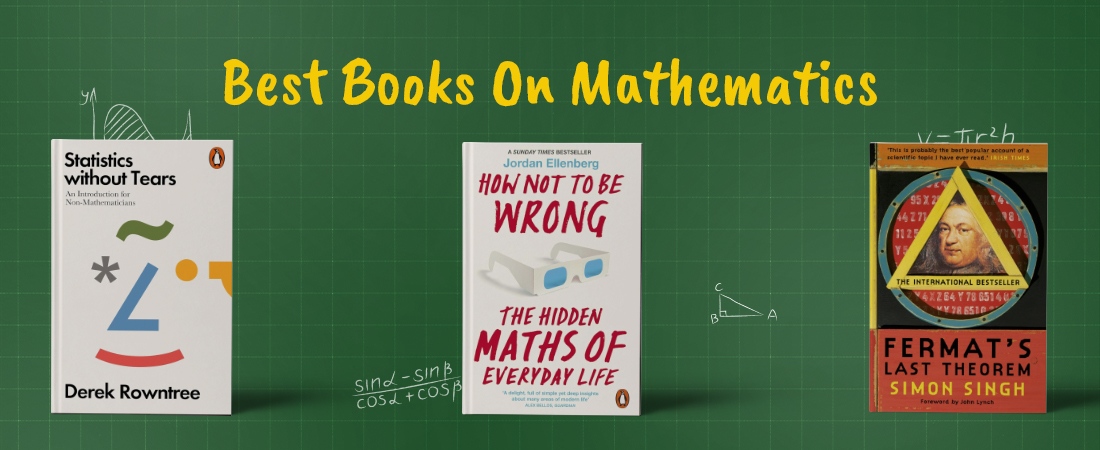
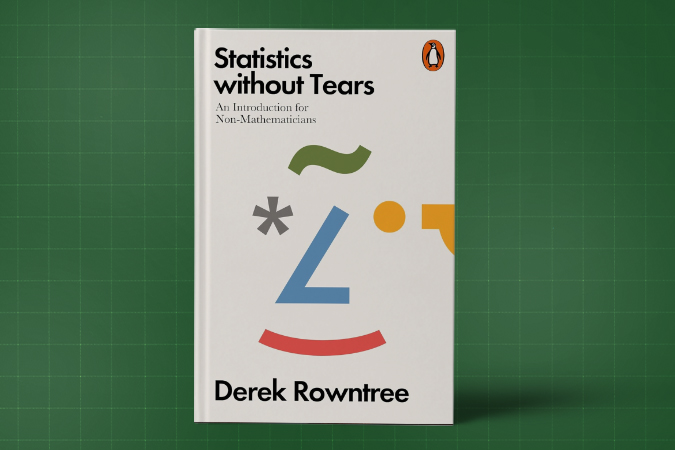
Statistics can often feel intimidating. However, Derek Rowntree explains statistical ideas in a simple and approachable way.
The book introduces concepts such as averages, probability, and data interpretation, showing how statistics help us understand surveys, reports, and real-world data. It is an excellent starting point for readers who want to make sense of numbers in everyday life.
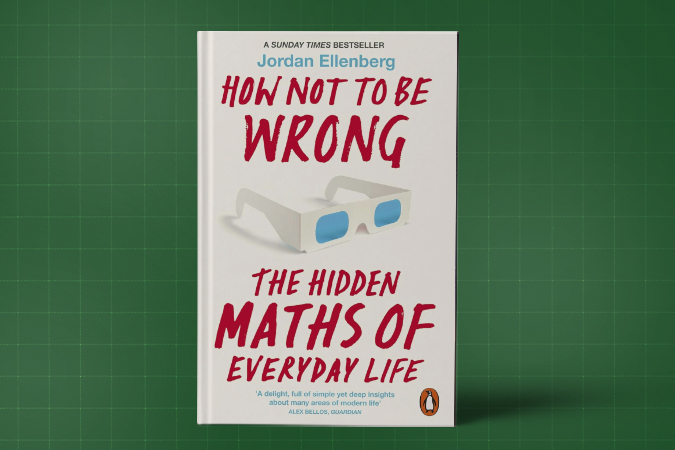
Jordan Ellenberg reveals how mathematics quietly shapes our decisions. From politics and economics to sports and medicine, mathematical thinking helps us recognise patterns and avoid faulty conclusions.
The book demonstrates that mathematical reasoning is not just abstract theory—it is a powerful tool for understanding the modern world.
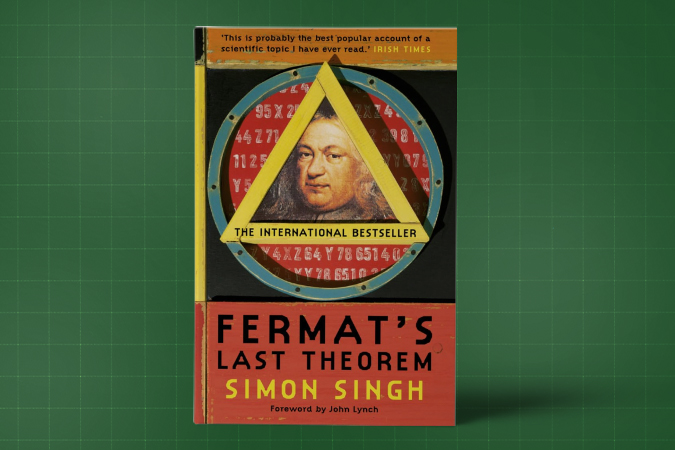
For more than 350 years, one mathematical puzzle challenged the greatest minds in the world. Simon Singh’s book tells the fascinating story behind Fermat’s Last Theorem, one of the most famous problems in mathematics.
Blending history, logic, and human perseverance, the book reads almost like a detective story about intellectual curiosity.
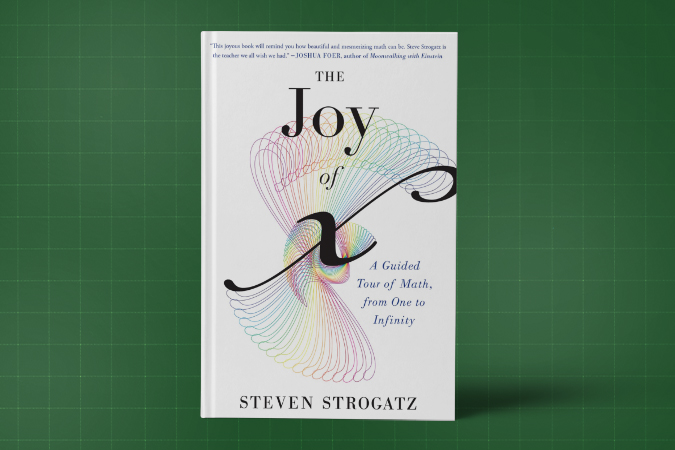
Steven Strogatz introduces readers to mathematics through engaging and relatable examples. Starting with basic arithmetic and gradually exploring deeper ideas, the book reveals how numbers appear in unexpected places.
From social networks to technology, The Joy of X shows how mathematics shapes the systems we rely on every day.
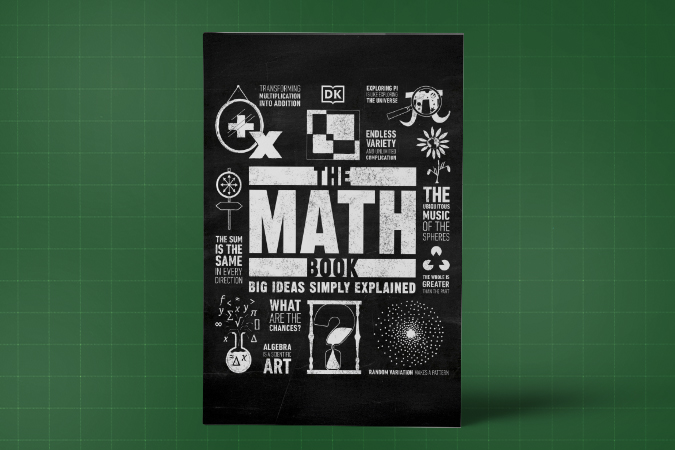
This visually rich guide explores 250 key milestones in the history of mathematics. Each entry explains an important theorem, discovery, or mathematician who influenced the development of the field.
Because it combines illustrations with short explanations, the book makes complex ideas easier to understand.
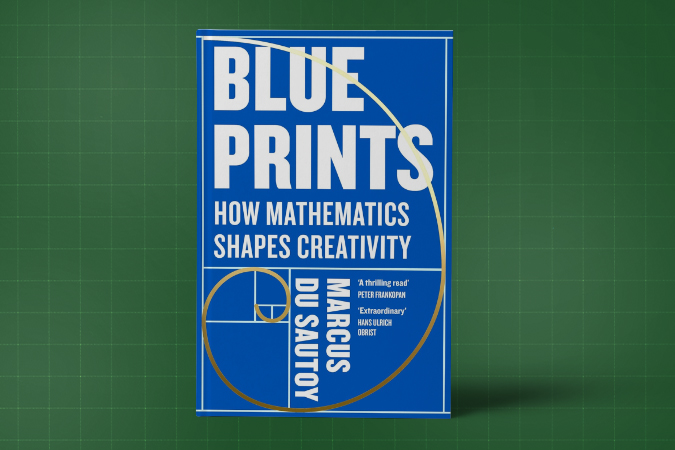
Many people assume creativity and mathematics belong to different worlds. Marcus du Sautoy challenges this belief by exploring how mathematical patterns and symmetry influence art, music, architecture, and literature.
The result is a fascinating look at how mathematics inspires creative expression.
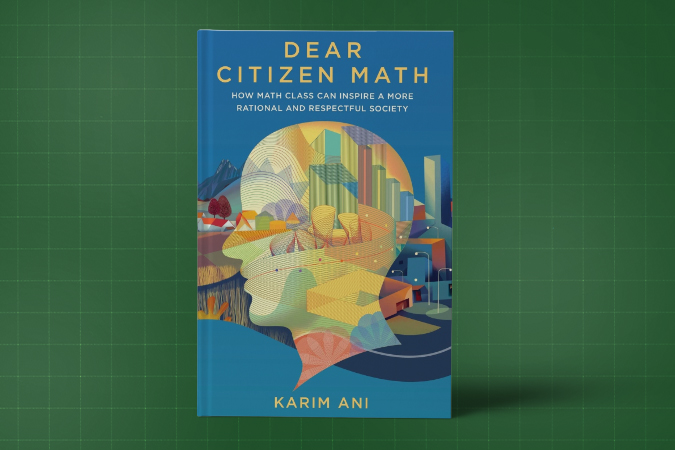
This thought-provoking collection of essays examines how mathematics education can help build a more thoughtful and informed society.
The authors argue that mathematical thinking encourages logical reasoning, respectful debate, and critical analysis—skills that are essential for modern citizenship.
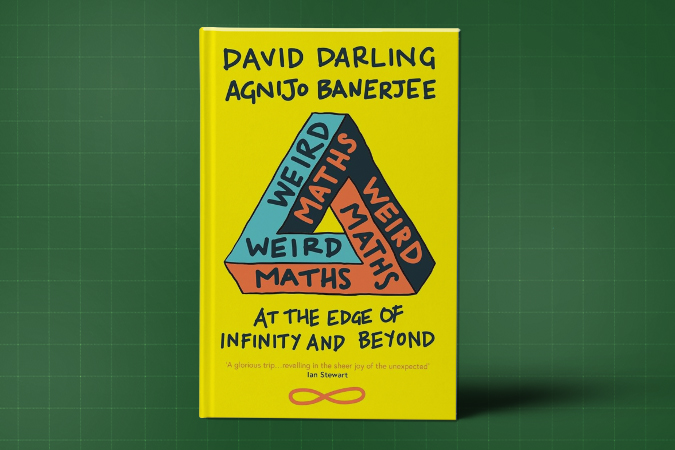
Mathematics can sometimes behave in strange and surprising ways. David Darling explores unusual mathematical concepts, paradoxes, and mind-bending patterns.
The book highlights how curiosity and exploration often lead to new discoveries at the edge of mathematical knowledge.
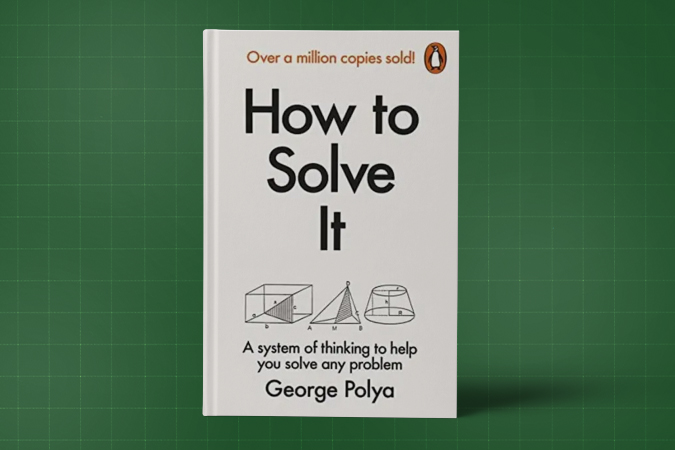
First published in 1945, George Pólya’s classic guide remains one of the most influential books on mathematical problem-solving.
Rather than simply presenting solutions, the book teaches readers how to approach complex problems step by step. The strategies discussed are useful not only in mathematics but also in everyday reasoning.
By exploring the best math books for International Maths Day, readers can discover how mathematics connects ideas across science, creativity, and human curiosity.