Economics. It’s one of those words that gets thrown around constantly — in news headlines, budget speeches, dinner table arguments — and yet most of us quietly assume it’s someone else’s subject. Too technical. Too abstract. Best left to the experts.
But here’s the thing: economics is already in your life, whether you’re paying attention to it or not. It’s in the price of milk at your corner store, the bus fare that went up without warning, the job market your fresh graduate cousin is nervously navigating, and the way your grocery bill somehow keeps climbing even when nothing feels different.
Once you see it that way, it stops being intimidating and starts being genuinely interesting. And the right book can make all the difference. Here are some of the best economics books that cut through the jargon, ditch the textbook tone, and show you exactly how this subject connects to the world you actually live in.Whether you’re a student, a professional, or just a curious reader, these titles offer approachable lessons on money, behaviour, and society through storytelling and practical insight.
Let’s look at what economics really means, why it’s useful for everyone, and which economics books can help you learn at your own pace.
Understanding Economics
Economics is really just the study of choices. How do people decide what to do when they can’t have everything: when money runs out, time runs short, or resources are scarce? That’s the question at the centre of it all.
It’s not just about GDP figures or stock market swings. Economics is also about why you reach for one brand over another, how a café decides what to charge for a cappuccino, and why a government might choose to subsidise one industry while quietly letting another struggle. Once you start looking, you see its logic everywhere, right from shifting job markets, in the way trends rise and fall, even in the everyday social decisions people make without realising they’re making them.
The good news is you don’t need a degree to get any of this. Even a basic grasp of economic thinking changes how you read the news, how you manage your own money, and how clearly you see the forces shaping the world around you. It’s less about memorising theory and more about developing a certain kind of awareness — the ability to ask why and actually understand the answer.
The easiest way in? A good book that makes you feel like you’re not studying, but understanding through everyday contexts. And that’s exactly the kind of books on this list.
How Books Make Economics Simple
The best economics books break down tough theories into real stories, case studies, and examples from everyday life. They show how incentives shape behaviour, how trade influences prosperity, and why markets rise or fall. The beauty of learning through books is that you can move at your own pace, absorbing insights that stay with you long after you’ve turned the final page.
Here are some of the most insightful and beginner-friendly titles to start your journey.
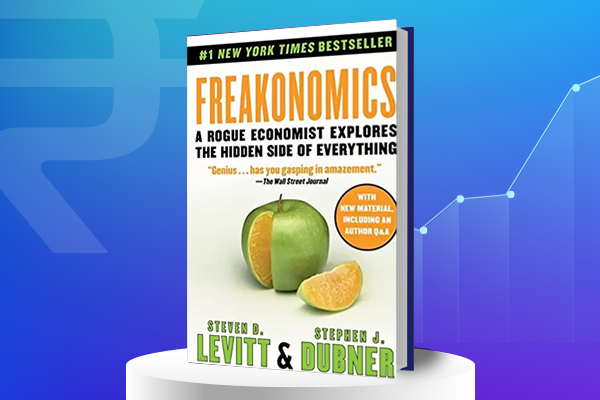
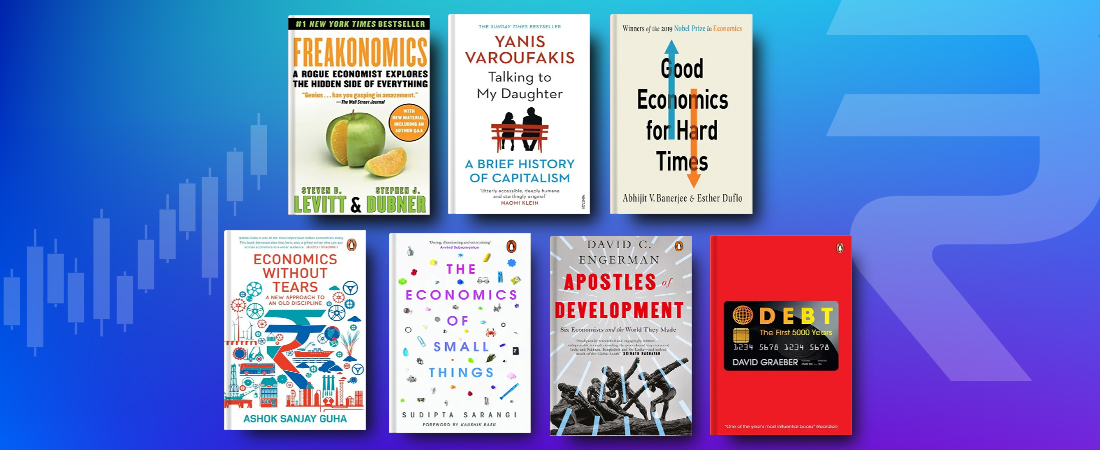
One of the most entertaining introductions to economics, Freakonomics explores how hidden incentives shape human behaviour. The book features six essays covering topics such as cheating, parenting, drug dealing, and even baby names, each one connecting moral questions to market logic. Each chapter uses real-world scenarios like why sumo wrestlers cheat or how real estate agents influence markets, to reveal how economic principles explain everyday choices. It’s witty, surprising, and deeply readable.
Takeaway: Economics is everywhere, even in the quirkiest corners of life.
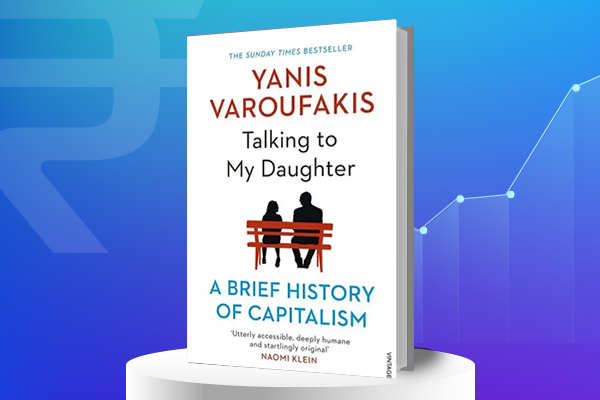
One of the most entertaining introductions to economics, Freakonomics explores how hidden incentives shape human behaviour. The book features six essays covering topics such as cheating, parenting, drug dealing, and even baby names, each one connecting moral questions to market logic. Each chapter uses real-world scenarios like why sumo wrestlers cheat or how real estate agents influence markets, to reveal how economic principles explain everyday choices. It’s witty, surprising, and deeply readable.
Takeaway: A warm and accessible crash course in understanding how the global economy affects ordinary lives.
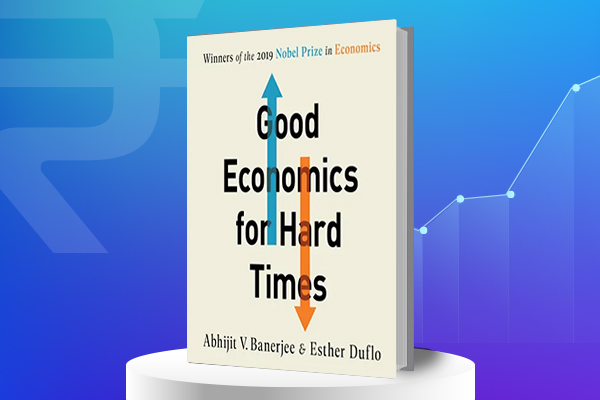
Two Nobel Prize-winning economists explore the toughest challenges of our time: inequality, climate change, migration, and more. With data-driven insights and witty storytelling, the book tackles myths around globalisation, trade, and welfare, offering evidence-based solutions to modern policy debates. The book is both smart and human, showing how data-backed reasoning can lead to better public policies.
Takeaway: Brilliantly written insights on how empathy and evidence can guide economic progress.

This book turns daily observations into bite-sized lessons in economics. Why are all the good mangoes exported? Why don’t we grab the last piece of cake? Through similar questions, Dr. Sarangi connects everyday behaviour to economic reasoning. Each chapter uses examples from social media trends to household habits to explain theories like game theory, incentives, and behavioural bias in easy-to-grasp ways.
Takeaway: Economics made fun, Indian, and instantly relatable. Perfect for beginners.
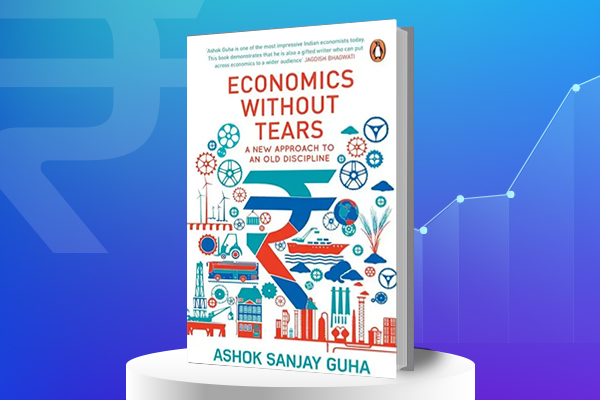
Forget jargon and complex graphs; this book takes you through the foundations of economic theory with clarity and humour. Ashok Sanjay Guha introduces concepts like demand, markets, and value using anecdotes instead of equations. The chapters cover fundamental principles like opportunity cost, competition, and efficiency through stories that make learning feel like conversation rather than coursework.
Takeaway: Ideal for anyone who wants to understand economics from scratch, minus the math anxiety.

For readers who want to go deeper, this book traces the story of six economists, including Amartya Sen and Manmohan Singh, who shaped development thinking in the Global South. Engerman explores how their ideas helped fight poverty and reshape policies across nations. The book delves into Cold War-era development debates, showing how these thinkers balanced ideology with pragmatic action in newly independent countries.
Takeaway: A fascinating look at the people and philosophies that built modern development economics.
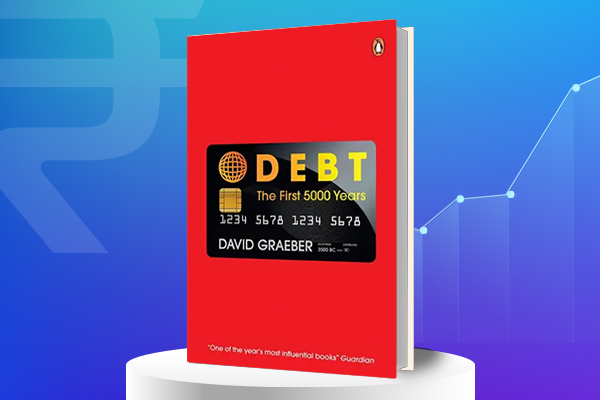
Part history, part anthropology, Debt reimagines the story of money itself. David Graeber explores how debt – long before coins or credit cards – defined relationships and power. The book spans ancient Mesopotamia to modern capitalism, revealing how credit systems, morality, and politics evolved together through centuries of exchange. It’s a sweeping, thought-provoking read that challenges what we think we know about economics.
Takeaway: Money is more than numbers; it’s a social story of trust, obligation, and control.
Why You Should Read Economics Books
You don’t need to be an economist to benefit from understanding how economies work. These books demystify the subject, connect it to daily life, and help readers see how choices – both personal or political – shape the world.
Reading suggestion:
- Start with: The Economics of Small Things or Economics Without Tears for beginners.
- Go deeper with: Good Economics for Hard Times and Apostles of Development.
- Challenge your thinking: Freakonomics and Debt: The First 5000 Years.
Each one offers a different lens, but together, they prove that economics isn’t dry or distant. It’s the story of us all.
FAQs
Which economics book is best for beginners?
For beginners, The Economics of Small Things by Sudipta Sarangi and Economics Without Tears by Ashok Sanjay Guha are ideal. They explain core economic ideas using everyday examples, without technical jargon or complex theory.
How can economics books help with personal finance?
Economics books help you understand inflation, incentives, pricing, and decision-making. This knowledge improves everyday choices related to saving, spending, budgeting, and understanding market trends.
How do I choose the right economics book to read first?
Choose based on your interest:
- For storytelling and surprising insights: Freakonomics
- For simple, everyday examples: The Economics of Small Things
- For global issues and policy: Good Economics for Hard Times
Starting with an engaging book makes learning easier.
Are there economics books that explain real-world applications simply?
Yes. Books like Freakonomics, The Economics of Small Things, and Economics Without Tears focus on real-world situations such as consumer behaviour, pricing, and everyday decision-making.
How should a beginner start learning economics?
Beginners should start with non-technical books, focus on real examples rather than theory, and learn at their own pace. Story-driven economics books are more effective than textbooks for first-time readers.
Which economics book helps understand how economies work today?
Good Economics for Hard Times is one of the best books for understanding modern economic challenges like inequality, migration, and globalisation, using evidence-based analysis and clear explanations.