


Literary awards are not just stamps of approval they’re signals. They reveal a culture’s thoughts, values, and willingness to face challenges. The most critically acclaimed novels do more than just tell tales; they also intensify debates about truth, identity, power, and memory.
The noise has been organized up by this list. These novels gained significant honours or critical recognition, and more significantly, they provide justification for it. The summaries are straightforward spoilers included because substance, not suspense, is what counts in this situation.
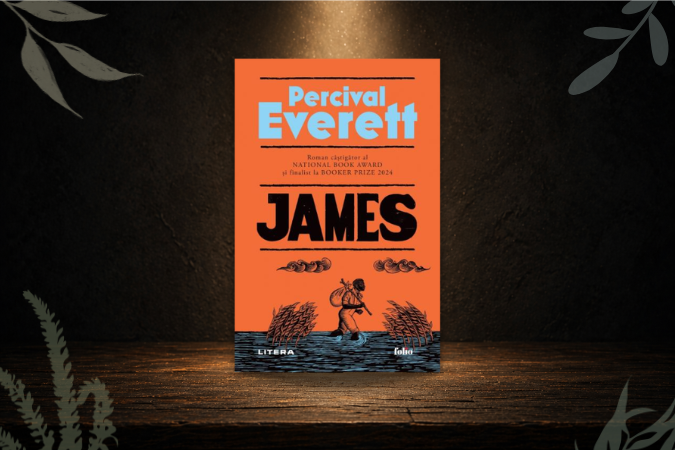
This novel, which is a radical retelling of Adventures of Huckleberry Finn from Jim’s point of view, disassembles the original narrative. Jim, or James in this case, is strategic, literate, and acutely conscious of the performance he needs to keep up in order to exist. The narrative reveals how language itself may be used as a weapon of resistance and oppression. By the end, James reclaims his identity from a system designed to destroy it by taking charge of his tale.
Why It Stands Out:
Everett indicts a classic rather than merely “updating” it. By revealing whose voice was absent throughout, the book rewrites the history of American literature.
The book is set in the Netherlands after World War II and centres on Isabel, a lady who is fixated on maintaining her ordered lifestyle. Long-kept secrets come to light when a visitor visits her home: the dispossession of Jewish victims served as the foundation for her family’s comfort. The “safekeeping” is comical because denial, not memory, is being safeguarded.
Why It Stands Out:
It precisely examines hereditary guilt. The book refuses dramatization in favor of silent acceptance, which is perhaps more disturbing.
The novel centres on a man who is changed by economic instability, alienation, and desire as he travels throughout Europe. His goals are unclear, and his connections are transactional. He is ultimately exposed as a byproduct of a system that lowers human connection to utility rather than being saved or destroyed.
Why It Stands Out:
Szalay’s ability to exercise self-control is a strength. The emotional detachment of the book reflects its theme of contemporary disconnection.
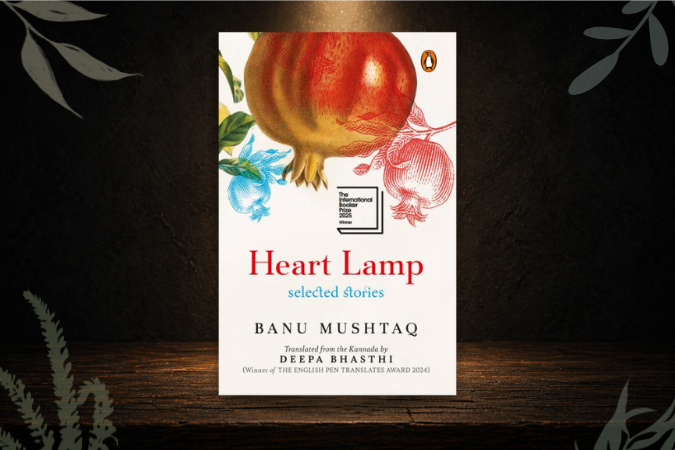
These stories, which are based on the lives of Muslim women in South India, examine emotional fortitude, subtle revolt, and domestic restraint. The cyclical nature of oppression is reflected in the many unresolved stories.
Why It Stands Out:
It highlights underrepresented voices without romanticizing them. Its realism, not its resolution, is what makes it strong.
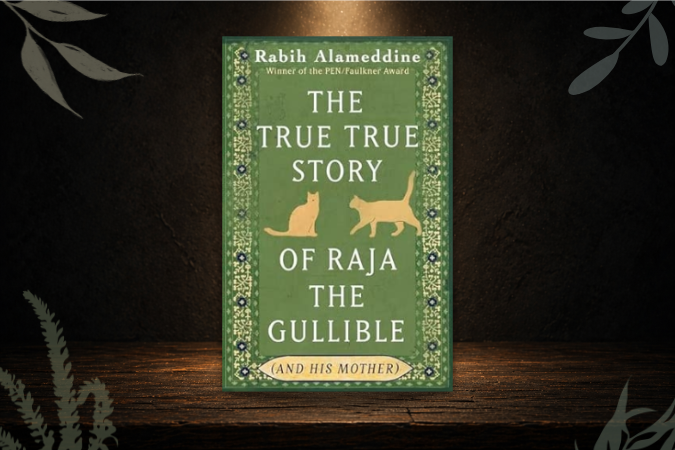
A satirical story about a gullible man who is controlled by his family, society, and political institutions. Raja’s credulity turns into a symbol of society’s vulnerability. By the end, his ignorance is more a structural inevitability than a personal shortcoming.
Why It Stands Out:
It uses humour to critique power structures. The satire is sharp enough to unsettle rather than amuse.
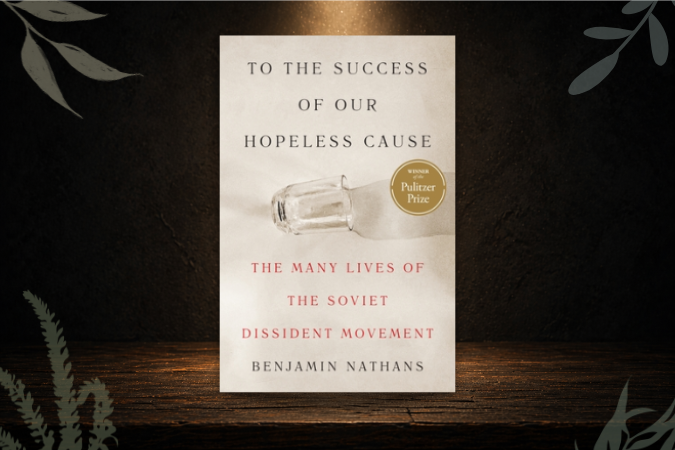
This book chronicles Soviet dissidents who were aware that their fight against rule was futile. Although symbolic, their resistance was essential. Even though many were imprisoned or banished, their activities changed how the Soviet Union was seen around the world.
Why It Stands Out:
It reframes failure as moral success. The “hopeless cause” becomes historically decisive.
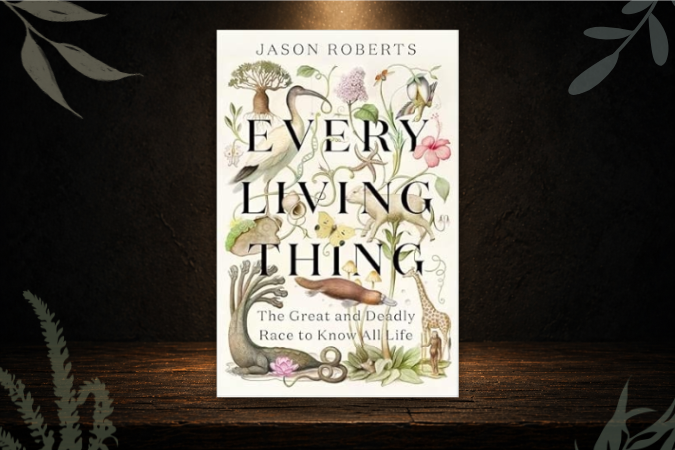
The rivalry between Carl Linnaeus and Georges-Louis Buffon in their efforts to categorize life on Earth is chronicled in the book. Modern biology was formed by their opposing ideas, although both were limited by human biases and limited knowledge.
Why It Stands Out:
It depicts science as a human endeavour motivated by both curiosity and vanity.
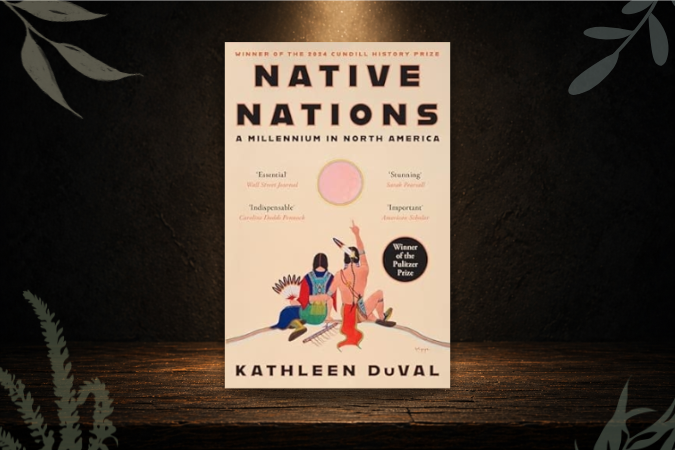
A comprehensive history that prioritizes Indigenous agency above colonial narratives. It refutes the notion that Native American societies were helpless victims by demonstrating their centuries-long flexibility and resilience.
Why It Stands Out:
It rectifies the framework of history. The focus of the novel changes from conquering to survival.
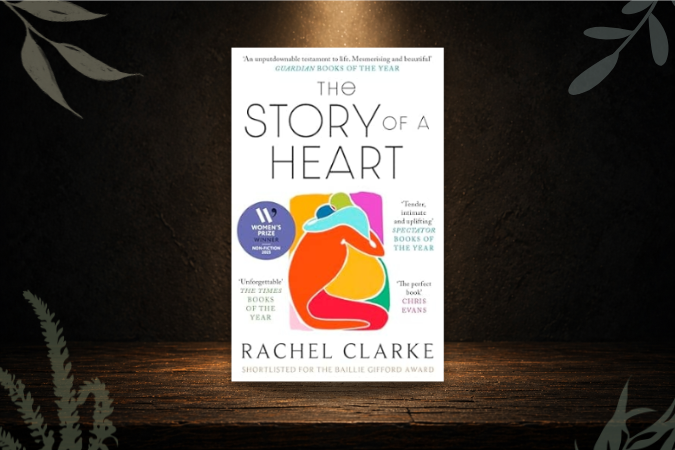
Through a sequence of loss and survival, the book follows the recipient and donor of a single heart transplant. Grief is redistributed rather than resolved.
Why It Stands Out:
It refuses to simplify either, treating medicine as both a technical and emotional field.
A thorough examination of the evolution of artificial intelligence with an emphasis on significant individuals and innovations. The story makes it evident that AI is the product of certain economic and ideological choices rather than an inevitable result.
Why It Stands Out:
It dispels the myth that technology is neutral. Here, progress is seen as created rather than predetermined.