
Have you ever wondered why some people seem too emotionally intelligent and one step ahead in their relationships? We often conclude that it’s just their unique personality. However, only a few know that it is a skill gradually mastered while unceasingly reading about human behavior. Human psychology not only helps in understanding the non-verbal cues but also helps you make better decisions in life. This is where one can rely on some interesting books on Human Psychology that have been very well received by readers across the globe.
Some of the greatest human psychology books ever written are the ones where the authors have put together years of science-based research on the human mind and translated them into brief concepts that are easier to understand by the mass audience. You can rely on these human psychology books without having to worry if you will understand the concepts or not. Here are our top-rated books on human psychology for anyone embracing the spirit of Kaizen.
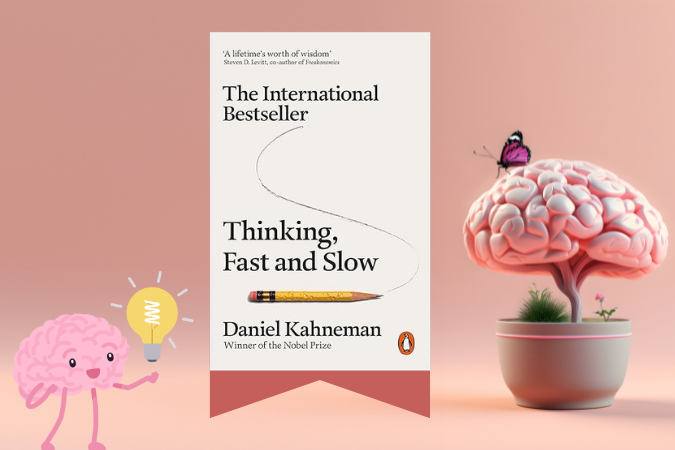
Thinking, Fast and Slow explores the two systems that drive the way we think, make decisions, and form judgments: our fast, intuitive mind and our slow, analytical one. Written by Nobel Prize-winning psychologist Daniel Kahneman, it reveals the hidden biases and mental shortcuts that influence our everyday choices. It is an excellent read for anyone who wants to understand what motivates human behavior and how the mind processes information. If you’re serious about studying human psychology, Thinking, Fast and Slow is an essential book that will fundamentally change the way you understand yourself and others.
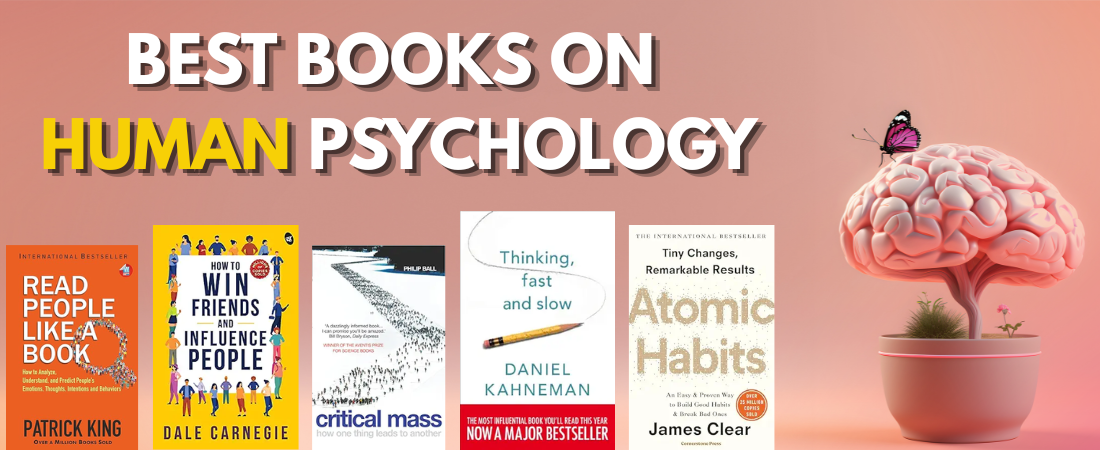
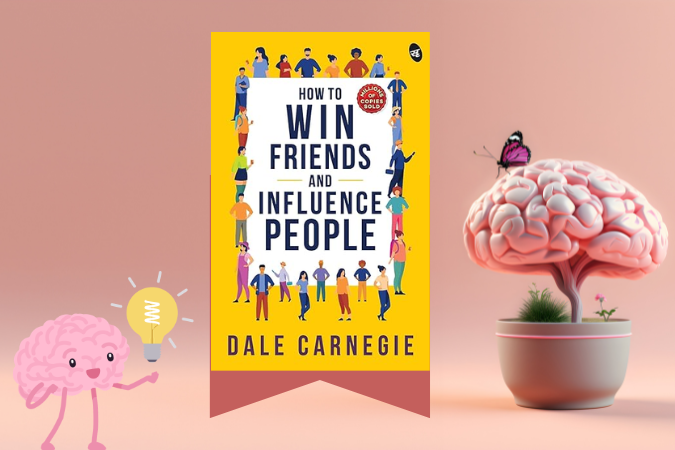
If you are somebody who prefers actual real-life experiences over fictional problems and solutions, then how to win friends and influence people can be just the perfect book on human psychology for you. Its effectiveness in helping us understand others very vividly transforms the way we humans perceive desires, emotions and self-worth. This book intensely sheds light upon the concept of listening before speaking and to make people feel valued. To simply explain human psychology, how to win friends and influence people teaches us that giving people some power and authority diminish the human urge to not follow instructions or take orders.
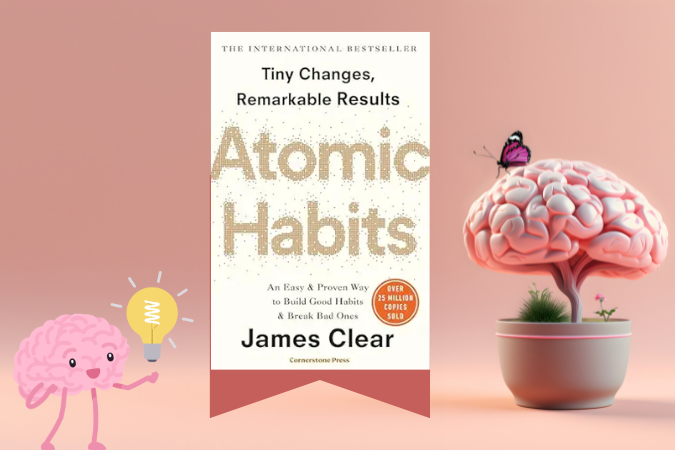
by James Clear
A collection of timeless stories from epics, folklore, and the Jataka tales, retold by India’s favourite storyteller. From “Shiva’s Anger” to “The Hare in the Moon,” these short, engaging reads capture the charm and diversity of India’s storytelling traditions. Perfect for bedtime or classroom reading.
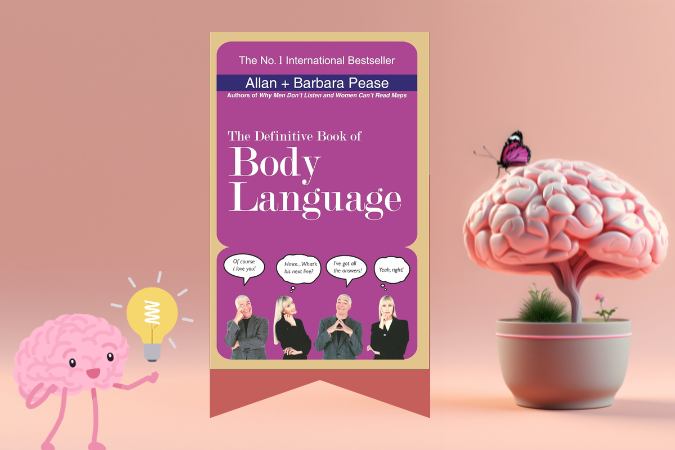
An authoritative guide on secrets revealed by a person’s body language. Helps make positive and fruitful changes in the way one reacts to specific situations based not only on what is heard but also what is seen – by reading body language accurately. With easily identifiable examples of famous personalities in public and personal situations.
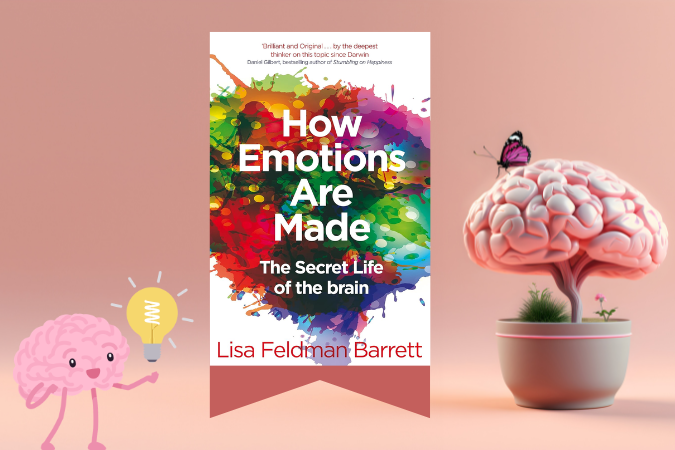
A brilliant and original book on the science of emotion by the deepest thinker about this topic since Darwin. – Daniel Gilbert best-selling author of Stumbling on Happiness.
The science of emotion is in the midst of a revolution on par with the discovery of relativity in physics and natural selection in biology. Leading the charge is psychologist and neuroscientist Lisa Feldman Barrett whose research overturns the long-standing belief that emotions are automatic, universal and hardwired in different brain regions. Instead, Barrett shows we construct each instance of emotion through a unique interplay of the brain, body, and culture.
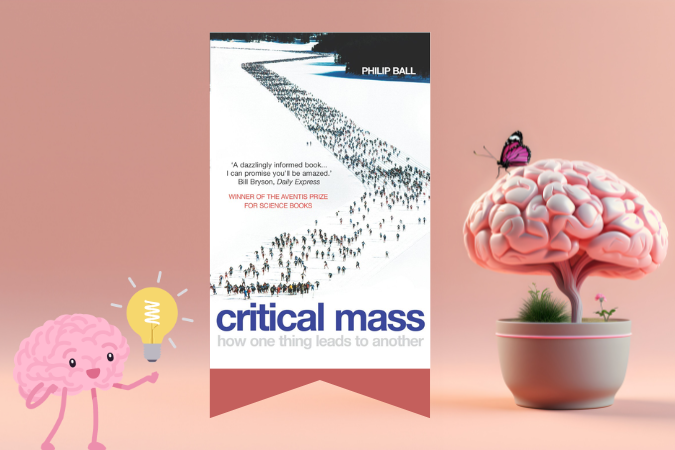
by Philip Ball
In the seventeenth century, philosopher Thomas Hobbes dismayed by the impending civil war in England decided that he would work out what kind of government was needed for a stable society. His solution sparked a new way of thinking about human behavior in looking for the scientific rules of society. Adam Smith Immanuel Kant Auguste Comte and John Stuart Mill pursued this idea from different political perspectives. But these philosophers lacked the tools that modern physics can now bring to bear on the matter. Philip Ball shows how by using these tools we can understand many aspects of mass human behavior.
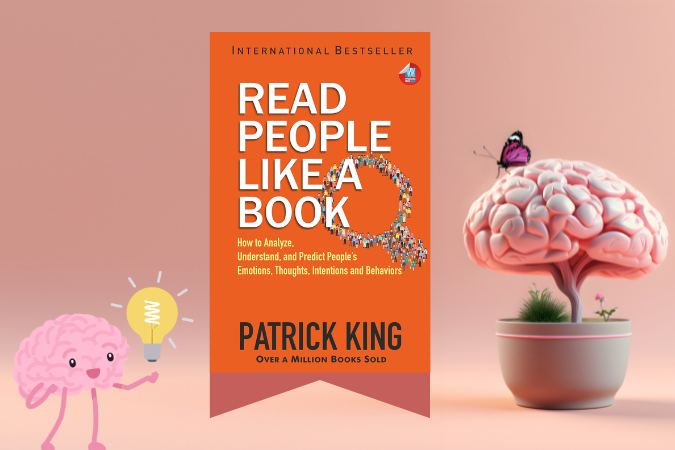
by Patrick King
Is it possible to analyze people without them saying a word? Yes, it is. Learn how to become a mind reader and forge deep connections. Read People Like a Book isn’t a normal book on body language of facial expressions. Yes, it includes all of those things as well as new techniques on how to truly detect lies in your everyday life but this book is more about understanding human psychology and nature. Patrick King is an internationally bestselling author and social skills coach. His writing draws a variety of sources from scientific research academic experience coaching and real life experience.
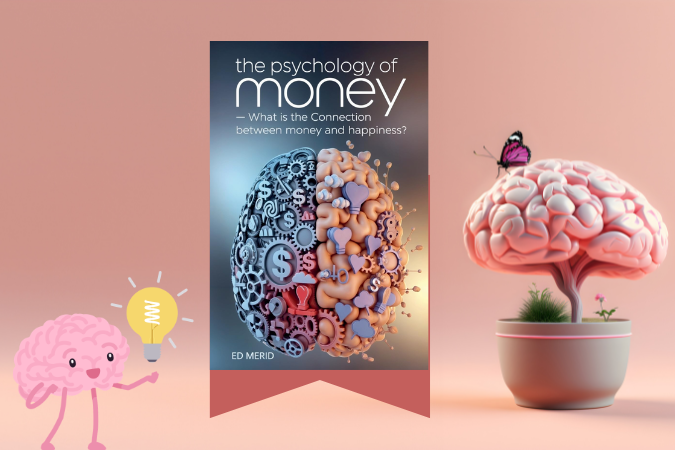
by Ed Merid
Money doesn’t just shape our bank accounts it molds our minds. In this eye-opening journey explore the hidden psychological forces that drive our financial decisions and discover the true path to wealth and well-being. Drawing from cutting-edge research in behavioral economics and neuroscience this book shatters conventional wisdom about money and happiness. Through vivid stories and practical exercises you’ll gain invaluable insights into Overcoming the cognitive biases that sabotage your financial goals and much more.
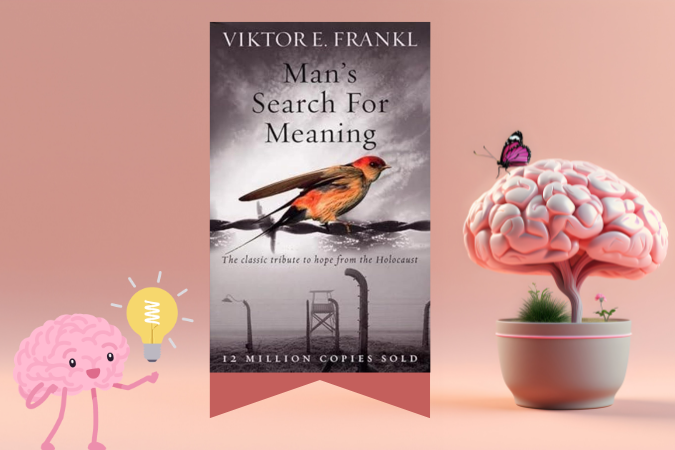
Viktor E. Frankl was a medical doctor at a psychiatric hospital in 1942 when he became a prisoner in Nazi concentration camps in World War II. In 1946 he published this book about his camp experiences and a method of psychotherapy he developed. Forty-five years later it was still named one of the most influential books in the U.S. Part One describes his three years in four Nazi concentration camps which took the lives of his wife father mother and brother.
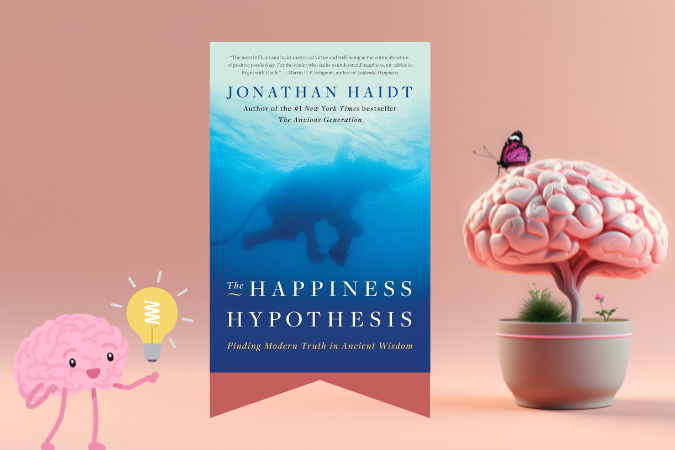
Every culture hands wisdom down through generations. What doesn’t kill you makes you stronger. What you do not wish for yourself do not do to others. Happiness comes from within. Can these ‘truths’ hold the key to a happier more fulfilled life? In The Happiness Hypothesis social psychologist Jonathan Haidt examines ten Great Ideas which have been championed across centuries and civilisations and asks how can we apply these ideas to our twenty-first century lives? By holding ancient wisdom to the test of modern psychology Haidt extracts lessons on how we can train our brains to be more optimistic build better relationships and achieve a sense of balance.