
Iran is one of those countries that appears in the news constantly and is understood rarely.
You’ll hear it discussed in diplomatic summits, debated in geopolitical forums, referenced in conversations about oil, nuclear agreements, and regional power. And yet, for most people outside its borders, the actual country — its people, its history, its contradictions, its extraordinary depth of culture — remains strangely out of reach.
That’s partly because Iran resists easy summary. It is a nation shaped by forces that don’t resolve neatly: monarchy and revolution, fierce political upheaval and equally fierce cultural pride, a pull towards modernity that has never fully displaced a deep rootedness in tradition. The last hundred years alone contain more drama than most countries accumulate across their entire histories — the rise of the Pahlavi dynasty, the seismic rupture of the 1979 Islamic Revolution, and everything that has unfolded, at home and across the world, in the decades since.
Headlines can’t hold all of that. But books can.
The best books on Iran, whether they’re works of history, political analysis, memoir, or travel writing, do something that no news cycle manages: they slow down, they go deeper, and they give you the texture of a place rather than just its outline. They introduce you to Iranians as people navigating the same tensions between identity, freedom, family, and belonging that people everywhere navigate, just within a very particular set of circumstances.
If you want to genuinely understand modern Iran, rather than simply recognise it, this is where to start.
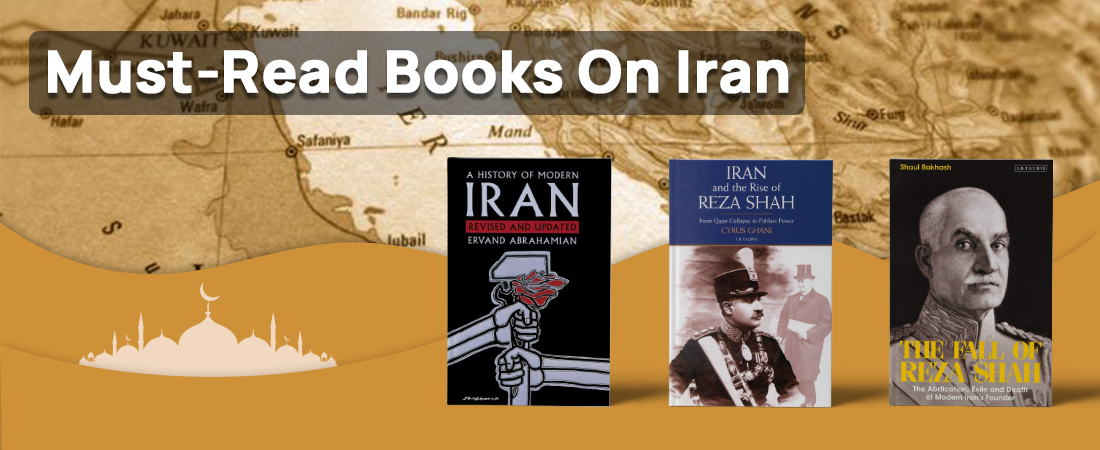
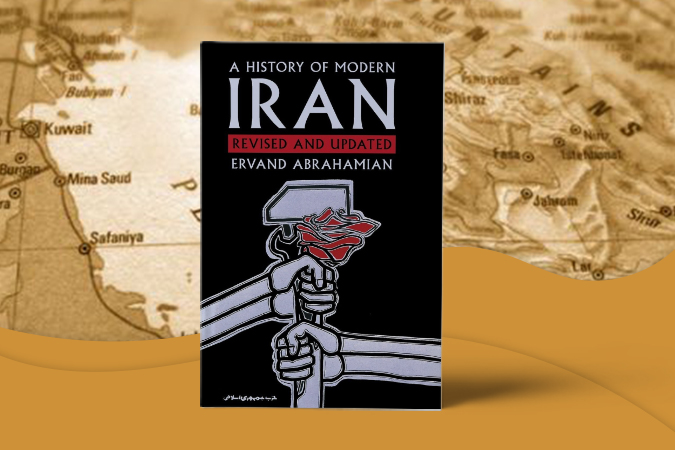
Ervand Abrahamian’s work is one of the most authoritative and widely referenced studies of modern Iranian history.
Covering the nineteenth century to the present day, the book examines major events such as the Constitutional Revolution, the rise of the Pahlavi monarchy and the Islamic Revolution. It also explores the social movements, economic forces and political ideologies that shaped modern Iran.
For readers seeking a comprehensive overview, this is undoubtedly one of the best books on Iran.
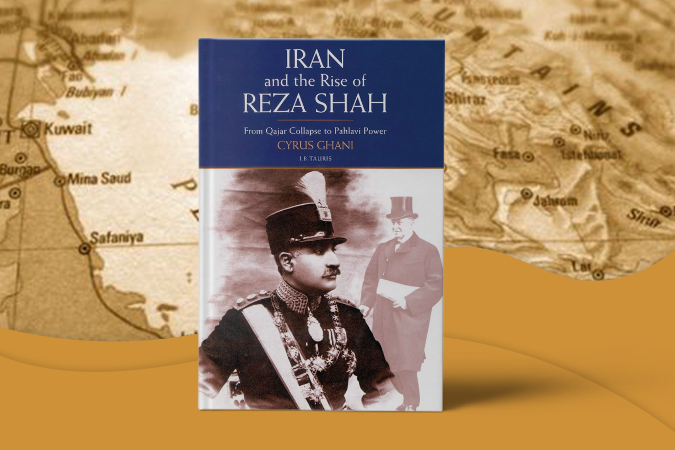
This historical work focuses on the early twentieth century, when Reza Shah established the Pahlavi dynasty.
Ghani examines the political reforms and modernisation efforts that reshaped Iran during this period. The book also explores how state-building, military power and nationalism transformed Iran’s institutions and social landscape.
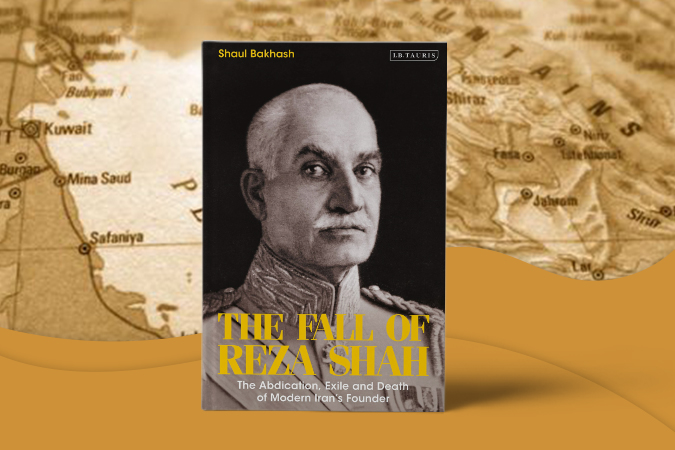
A follow-up read to the rise of the Pahlavi dynasty, this book explores the dramatic circumstances that forced Reza Shah to abdicate during World War II.
Domestic pressures and international political forces played a crucial role in the monarch’s downfall. The event marked a turning point in Iran’s modern political history and set the stage for later developments.
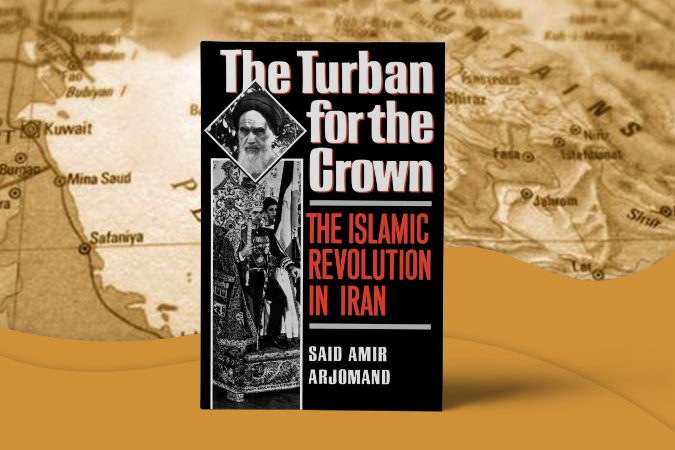
Arjomand examines the ideological foundations of the Iranian Revolution and the formation of the Islamic Republic.
The book explains how political power and religious authority became intertwined after 1979, reshaping Iran’s governance. It remains an important analytical work for anyone trying to understand the philosophical and political structures that define modern Iran.
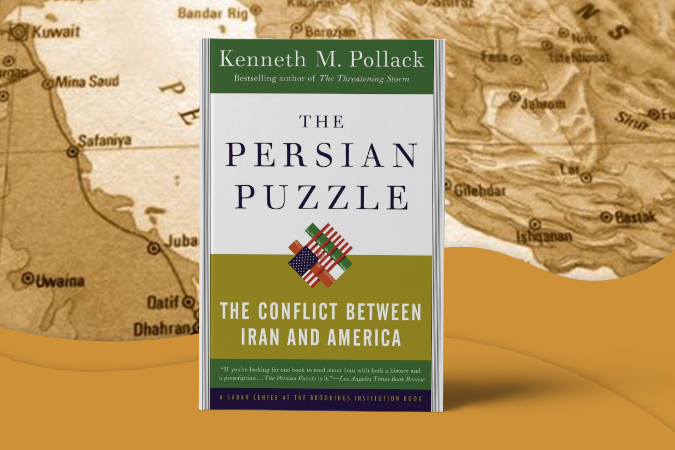
This widely cited work explores the complicated relationship between Iran and the United States over several decades. Pollack traces the story from the fall of the Shah to modern diplomatic tensions, examining major events such as the Iranian Revolution, the 1979 hostage crisis and the Iran–Iraq war.
By analysing the motivations and political strategies of both countries, the book helps readers understand why relations between Iran and the West have remained complex and often strained.
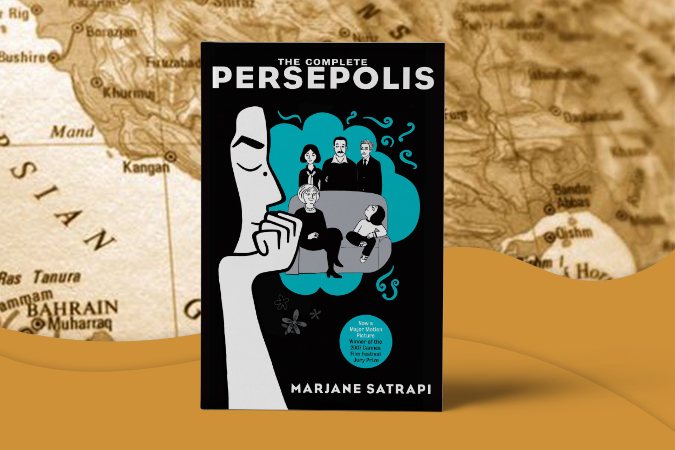
Marjane Satrapi’s Persepolis is one of the most widely read personal accounts of life during and after the Iranian Revolution.
Presented as a graphic memoir, the book recounts Satrapi’s childhood in Iran, capturing the everyday realities of growing up amid political upheaval. Through simple yet powerful illustrations, Persepolis reveals how major historical events affect ordinary families and personal identity.
It remains one of the best books on Iran for readers looking for a deeply human perspective.
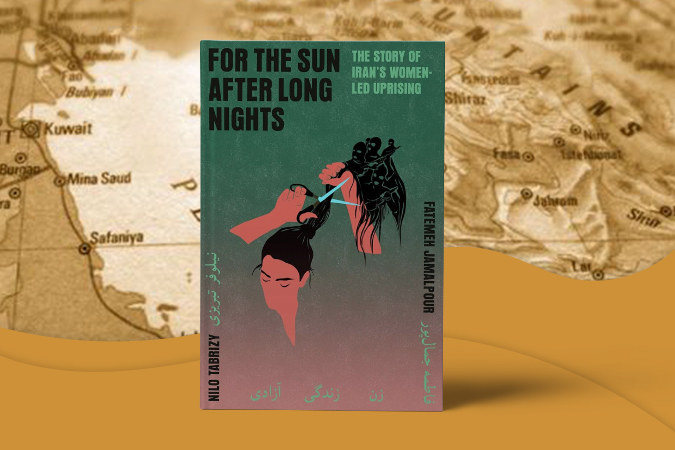
This memoir explores themes of resilience, identity and cultural expression in contemporary Iranian society.
Through personal reflection and storytelling, the book captures the emotional complexity of living within social and political constraints. It offers readers an intimate glimpse into the struggles and strength of individuals navigating modern Iran.
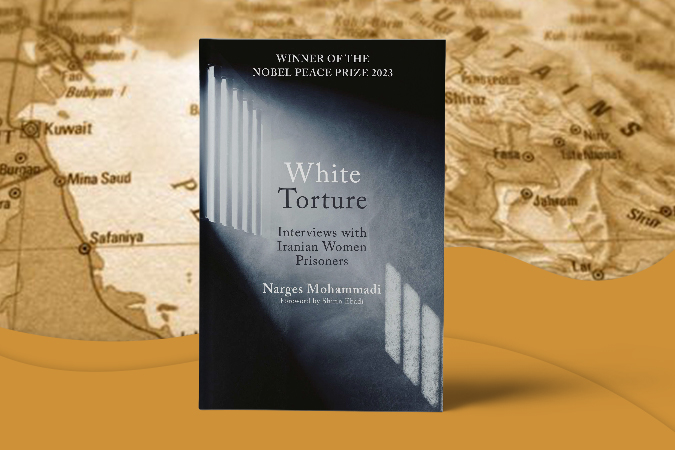
Nobel Peace Prize laureate and human rights activist Narges Mohammadi documents the experiences of women imprisoned in Iran’s Evin Prison.
Through interviews and testimonies, the book reveals the psychological impact of solitary confinement and political imprisonment. White Torture is a powerful account of human rights struggles and personal courage within Iran’s contemporary political system.
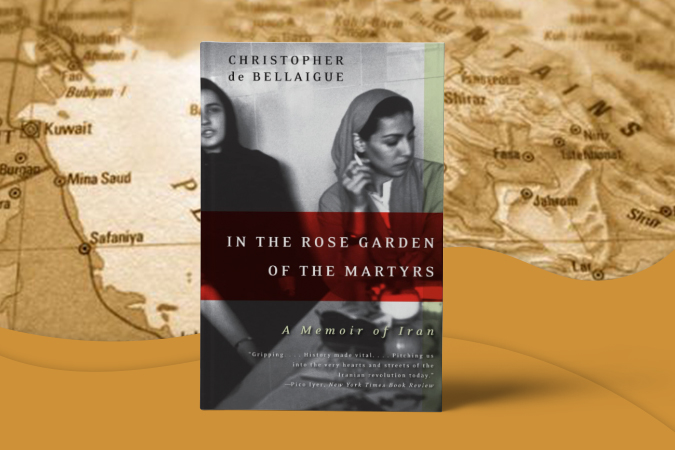
This deeply reported book presents portraits of everyday Iranians living in the aftermath of the revolution.
Through interviews and immersive storytelling, the author explores how ordinary people navigate politics, religion and identity in modern Iranian society. The result is a nuanced look at life inside a country often misunderstood from the outside.
Through historical analysis, memoirs and travel writing, these best books on Iran reveal a society that is complex, resilient and deeply connected to its past. For readers interested in world history, Middle Eastern politics or global culture, the books offer meaningful entry points into the story of modern Iran.