
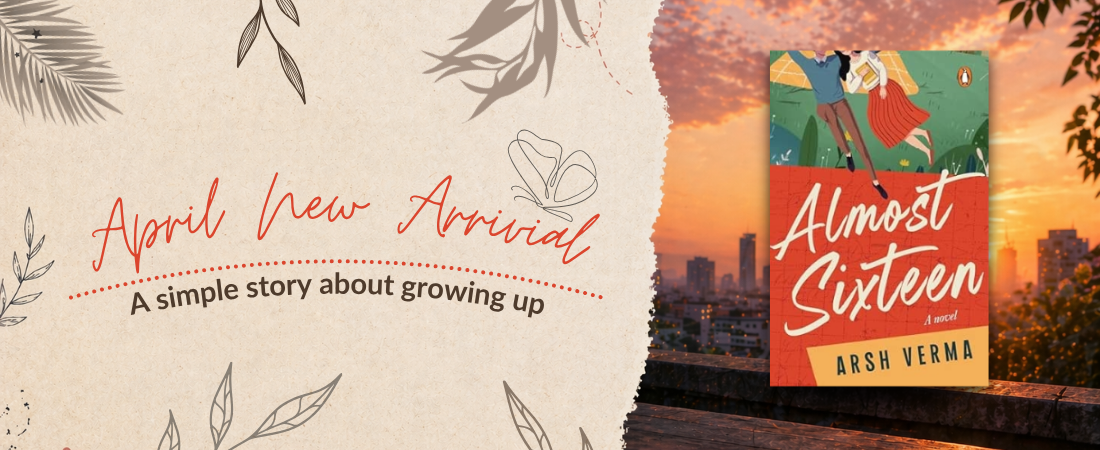
There’s a particular moment in growing up that’s almost impossible to describe while you’re living through it. You’re not quite a child anymore, but you’re not yet whatever comes next. Friendships feel more complicated. Your sense of who you are keeps shifting. The world seems to be asking something of you, and you’re not entirely sure what.
Almost Sixteen by Arsh Verma lives right in that space, and it does so with a gentleness and honesty that makes it feel less like a novel and more like a conversation with someone who genuinely remembers what that age felt like.
About the Author: Arsh Verma
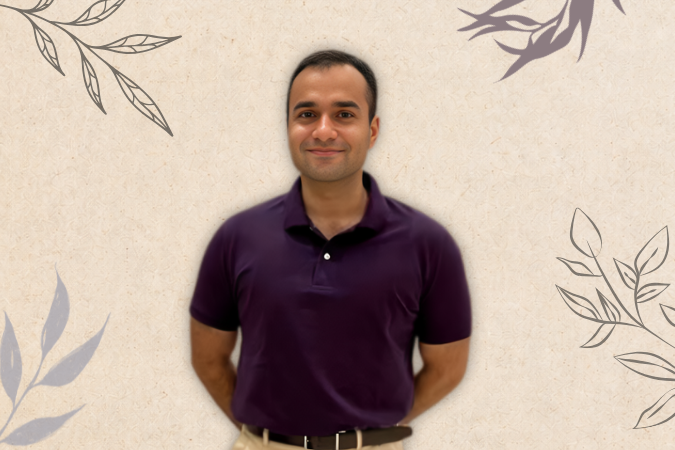
Arsh Verma is a contemporary writer whose work is refreshingly uncomplicated in the best possible sense. He isn’t interested in grand plots or dramatic arcs. What interests him is the quieter stuff — the texture of everyday teenage life, the small moments that don’t make headlines but somehow define who you become.
Background Before Writing
His path to writing wasn’t a conventional literary one. It grew, by most accounts, from the same place his stories do: observation, lived experience, and a natural attentiveness to the way real people talk, feel, and change. Before structured storytelling, there were notes, ideas, and a habit of paying close attention to the world around him, particularly the world of young people navigating relationships, identity, and the slow work of growing up.
That grounded background shows in every page he writes. There’s no performance in his prose, no reaching for effect. Just clarity, warmth, and the kind of writing that makes you feel seen rather than impressed.
Writing Style
Arsh Verma’s style is clear, conversational, and grounded. He avoids heavy language and instead focuses on readability, making his books accessible to a wide audience. His narratives often feel like real-life reflections rather than dramatic storytelling, which helps readers stay engaged without effort.
What Is the Book About?
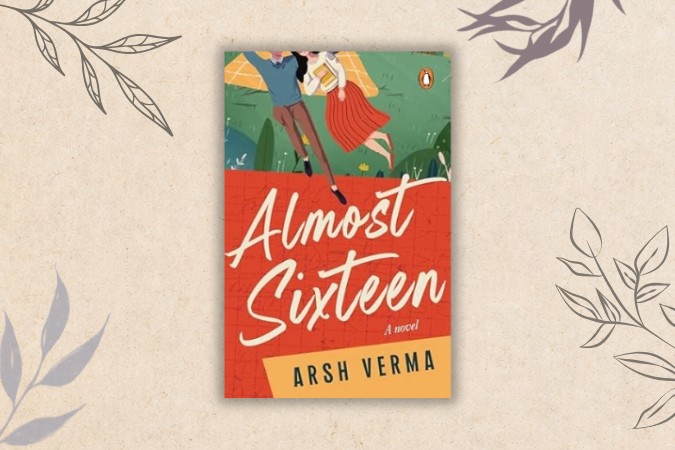
The book follows a teenager moving through the ordinary rhythms of daily life: school, friendships, the subtle but significant shifts that come with being on the edge of something new. There’s no dramatic inciting incident, no neat three-act structure. What there is, instead, is a remarkably faithful rendering of what this particular season of life actually feels like from the inside.
The themes running underneath are ones that most readers will recognise: the search for identity, the need to belong, the quiet pressure of figuring out who you are when everyone around you seems to be changing too. Verma handles all of this lightly, without heavy-handedness — which is, paradoxically, what gives the book its emotional weight.
What Makes the Book Enjoyable?
The novel’s greatest strength is also its most understated quality: it trusts its readers. It doesn’t over-explain, over-dramatise, or tie things up too neatly. The writing is clear and conversational, the characters feel like people you might actually know, and the dialogue reads the way teenagers actually talk rather than how adults imagine they do.
The pace is unhurried in a way that feels intentional rather than slow. Events unfold the way they do in real life, not with perfect narrative timing, but with the natural rhythm of days passing and things gradually becoming clearer. That unhurriedness gives you room to actually feel the story rather than just follow it.
Why is it Popular?
Almost Sixteen works because it doesn’t try too hard. For anyone currently navigating adolescence, it offers the rare comfort of recognition, the feeling that someone has captured something true about an experience you thought was entirely your own. For readers looking back on those years, it’s the kind of book that quietly brings things back: the particular uncertainty of that age, but also its particular intensity, the way everything felt so significant even when nothing dramatic was happening.
That combination of simplicity and emotional honesty is harder to pull off than it looks. Verma makes it seem effortless, which is probably the highest compliment you can pay a writer who has set out to do exactly this.