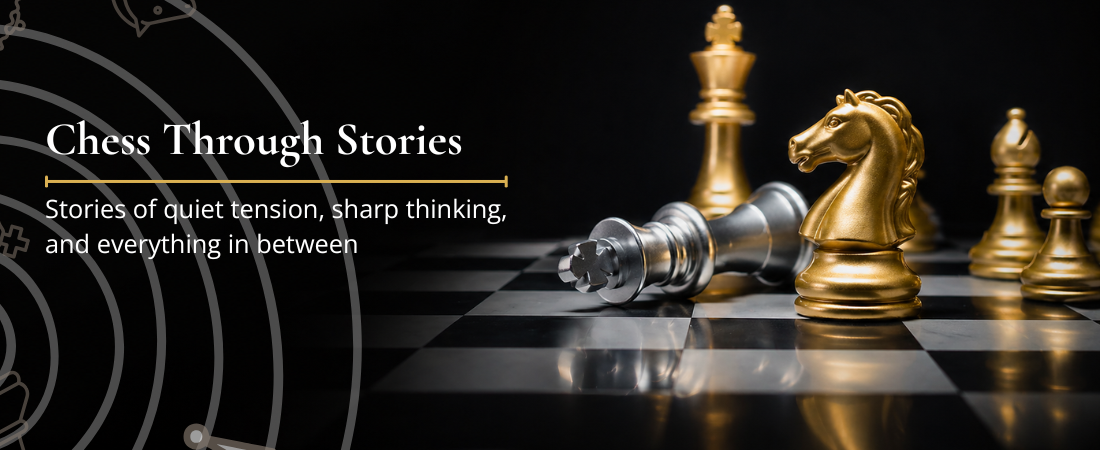


Chess has always involved more than just moves. Stress, persistence, and decisions are involved, and even a small mistake can have a significant effect. As a result, it has inspired many stories over the years. It is not necessary to comprehend every rule in order to participate. Sometimes the easiest way in is through fiction that conveys the pressure and mindset of the game. With players like Vaishali Rameshbabu competing at the highest level, that world appears closer than ever. (Every description of the book contains spoilers)
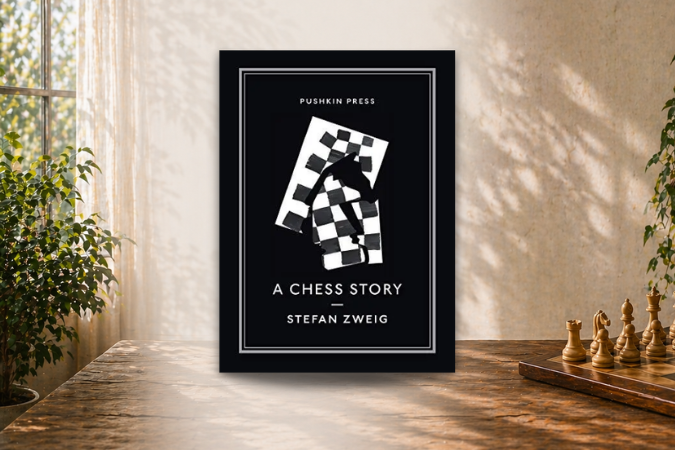
A short but powerful psychological story about a man who copes with loneliness by playing mental chess games. Eventually, this turns into an obsession that starts to threaten his sanity. When he finally faces a real opponent, the challenge is not just in the game but also in controlling his own thoughts.
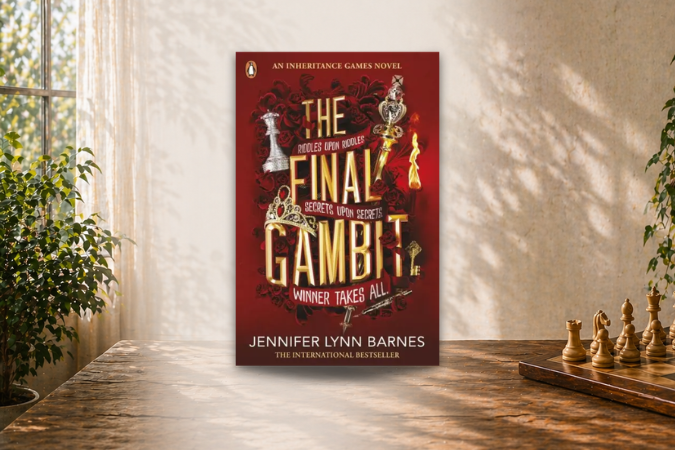
This story is not directly about chess, but it does focus on critical thinking, challenging puzzles, and complex judgments. Each choice the characters make has significance. The idea of a “gambit” sacrificing something now for a bigger benefit later occurs throughout the narrative. It is similar to the strategy used in chess, where timing and taking bets are critical.
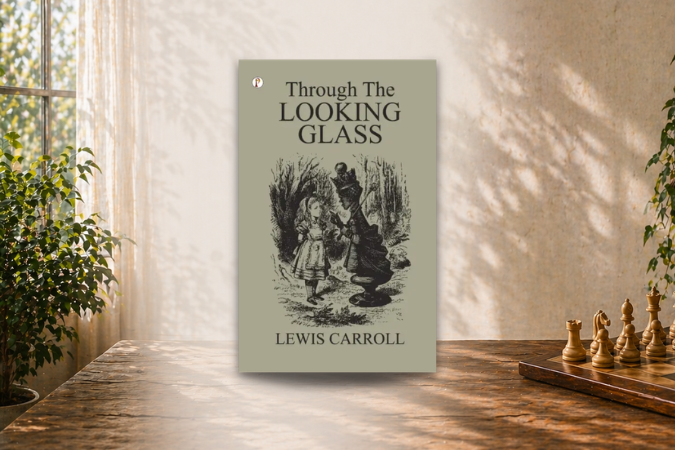
In this tale, Alice finds herself in a strange universe that works like a huge chessboard. Her path follows the logic of the game, which requires that moving through different ranks is essential to advance. Every character she meets is a piece, and her goal is to reach the last square.
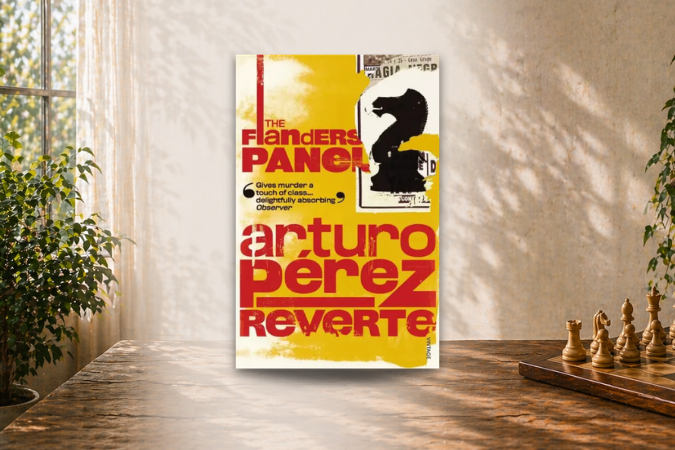
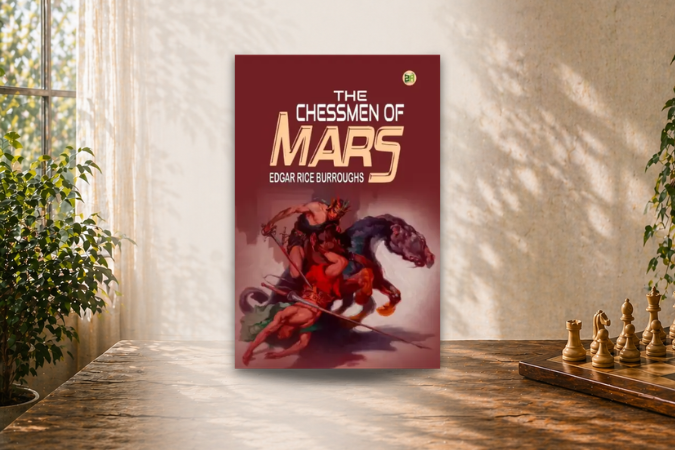
The story is, about living things being used as the chess pieces on a planet that’s not real. When you make a move the chess pieces fight each other. The result of the fight decides what happens next. This makes the game of chess really dangerous and hard. The story of chess pieces shows that everything you do has an effect and can change things. The game of chess is serious because the living things that are the chess pieces can get hurt. The idea of the story is that what you do matters and can have consequences.
This book presents an advanced intellectual game which combines elements of tactics, music, and art and appears to be similar to chess. The main character devotes his whole life to mastering this system and eventually achieves success. But as he gets toward the top, he starts to question the reason why a level of perfection is required. The story questions mastery, self-control, and the cost of devoting oneself entirely to a structured game.