
There are historical figures whose stories feel like they belong to their era — significant, but distant. And then there are figures like Shivaji Maharaj, whose life feels, the more you examine it, startlingly relevant to the present.
Questions of identity, resistance, self-determination, and what it means to build something that lasts against overwhelming odds — these aren’t abstract historical themes when you read about Shivaji. They feel immediate. Urgent, even. Which is perhaps why, centuries after his death, his story continues to inspire not just reverence but genuine fascination.
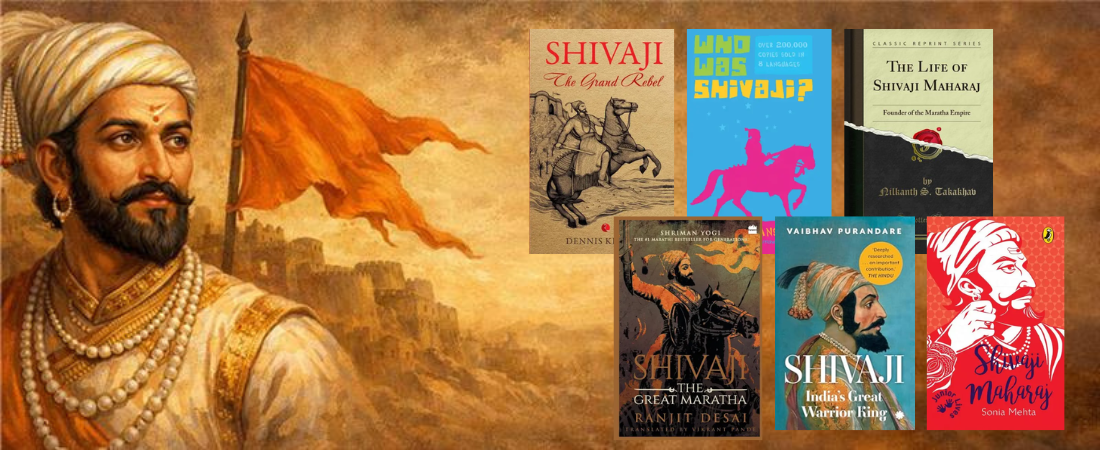
Books on Shivaji Maharaj offer far more than battlefield accounts. The best of them explore how a man becomes a leader, how a leader becomes a founder, and how a kingdom built on intelligence and principle outlasts the brute force of far larger empires. For anyone interested in history, governance, or simply in understanding how India’s political imagination was shaped, this is essential reading.
Chhatrapati Shivaji Maharaj (1630–1680) founded the Maratha Empire in western India. He was born in 1630 at Shivneri Fort, into a world already thick with political tension. Raised under the formative influence of his mother Jijabai who was a woman of remarkable strength and vision, he developed early what would define him throughout his life: sharp political instincts, military discipline, and an unusually clear sense of purpose.
What made Shivaji exceptional wasn’t simply his courage on the battlefield, though that was considerable. It was the breadth of what he was trying to build. He didn’t just win territory, he designed systems to govern it. He created administrative structures that strengthened local rule, built a navy to protect India’s western coastline, and introduced revenue frameworks that gave his kingdom genuine stability rather than the hollow wealth of conquest.
All of this happened against the backdrop of the Mughal Empire at the height of its power under Aurangzeb who was arguably the most formidable political and military force on the subcontinent. Where others saw an insurmountable obstacle, Shivaji saw a problem to be solved through agility, strategic brilliance, and a cause worth fighting for. He called that cause ‘Hindavi Swaraj’ – the idea of self-rule, rooted in the land and its people.
He captured forts across the Deccan not through the weight of superior numbers but through speed, intelligence, and an intimate understanding of the terrain. And in 1674, at Raigad Fort, he was crowned Chhatrapati, an act that was as much symbolic as political. It was a declaration, made before his people and the watching world, that sovereignty was not something to be granted by an empire. It was something to be claimed.
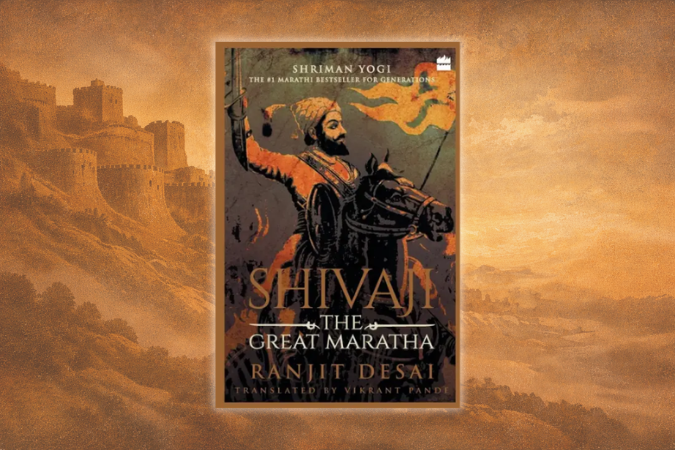
By Ranjit Desai
Originally written as Shriman Yogi, this sweeping historical novel traces Shivaji’s rise from young rebel to visionary king. It captures his journey from Pune to Aurangzeb’s durbar in Agra. The narrative blends emotional depth with political drama. The translation makes the epic accessible to modern readers. As a result, it feels immersive yet grounded in history. It also explores Shivaji’s relationship with Jijabai and his evolving vision of Swaraj.
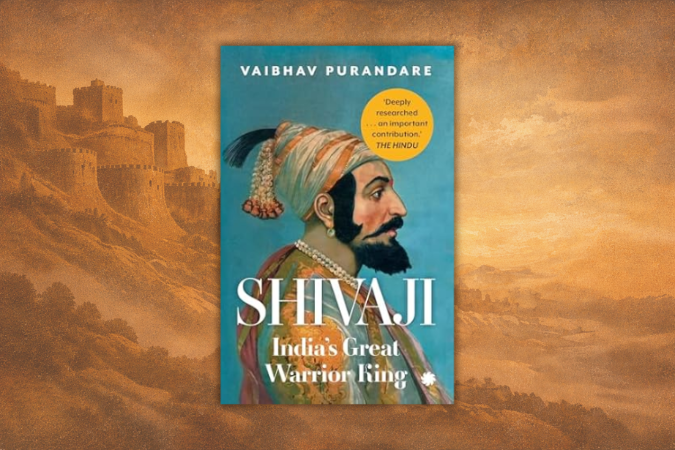
By Vaibhav Purandare
This sharply researched biography examines Shivaji through a modern lens. It questions simplified labels and explores his complexity as a ruler. Purandare analyses debates around religion and politics in Shivaji’s era.
The book corrects popular myths with documented evidence. Therefore, it serves as a balanced introduction for serious readers. It also contextualises his rise within broader Deccan politics.
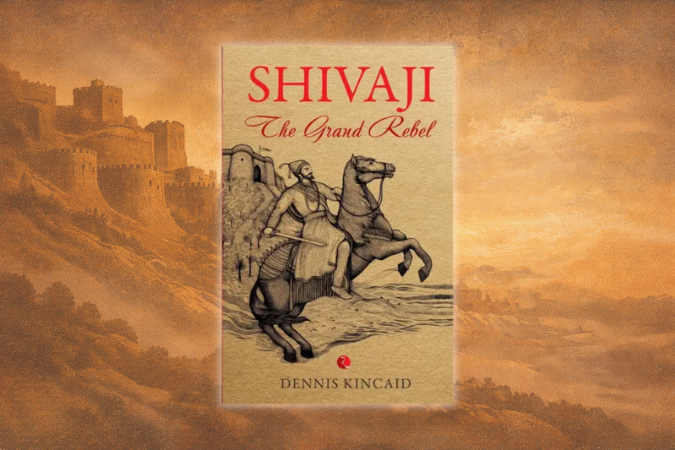
By Dennis Kincaid
This classic account narrates Shivaji’s transformation from local leader to empire builder. It highlights his disciplined military structure and administrative ambition.
Furthermore, the book captures dramatic encounters with the Adil-Shahi Sultanate and Aurangzeb. Although written in an earlier era, it remains influential. It offers insight into colonial interpretations of Indian rulers. Consequently, it adds historiographical depth to your reading list.
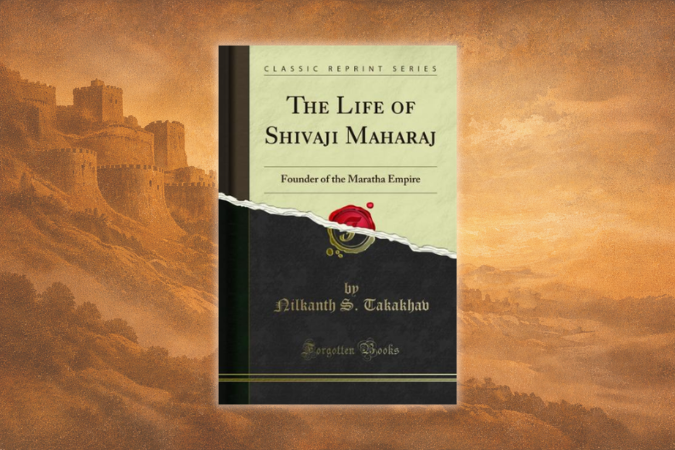
By Nilkanth S. Takakhav
First published in 1921, this foundational English biography draws upon Marathi chronicles and Mughal records. It reflects early twentieth-century nationalist thought. Moreover, the work attempts to present Shivaji as a unifying national figure. It remains valuable for understanding how his image evolved over time. Therefore, it serves both as biography and historical document. It also provides detailed references that researchers appreciate.
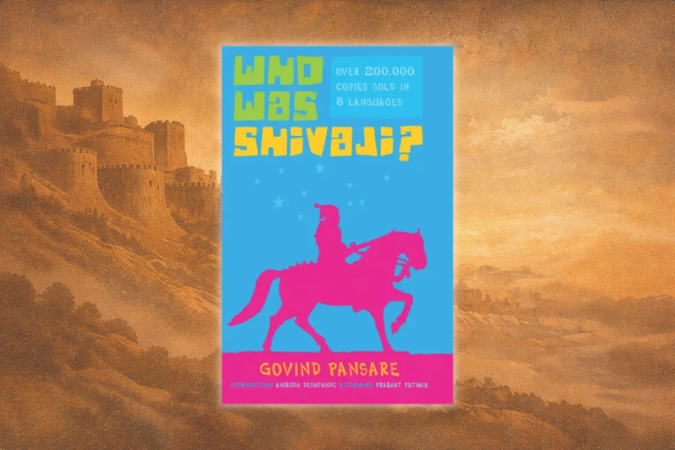
By Govind Pansare
Was Shivaji a Hindutva icon? A secular nationalist? A peasants’ king? Or something far more complex?
Public intellectual Govind Pansare challenges simplified and politicised readings of Shivaji Maharaj. Rather than repeating dominant narratives, he revisits historical records through a rational and critical lens. He encourages readers to interrogate familiar tropes and examine facts carefully. Pansare’s approach is accessible, direct, and grounded in reason.
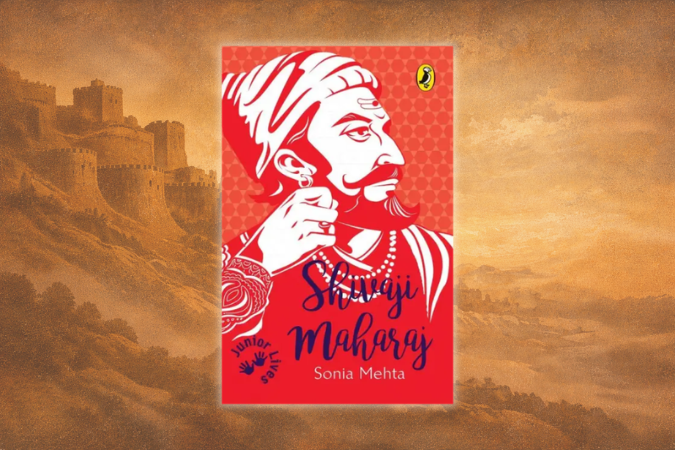
By Sonia Mehta
This illustrated biography introduces young readers to Shivaji’s bravery and determination. It simplifies complex events without diluting significance. Additionally, the book includes engaging visuals and lesser-known facts. It makes history accessible and inspiring for children. As a result, it works well for family reading. It also encourages early curiosity about Indian history.
Whether you prefer epic fiction or critical biography, these books on Shivaji Maharaj offer layered insight. More importantly, they remind us that leadership requires both courage and structure.