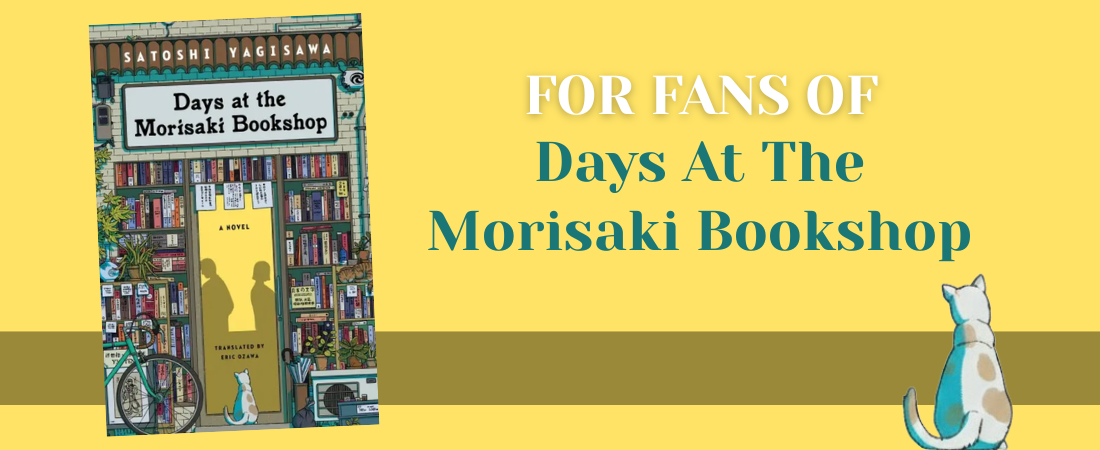




If Days At The Morisaki Bookshop stayed with you long after you turned the last page, you’re not alone. This quiet, comforting novel has become a favourite among readers who love slow stories, book-filled settings, and gentle emotional healing. If you’re searching for books to read after Days at the Morisaki Bookshop, this list is designed just for you.
This list is especially for readers who enjoy Japanese contemporary fiction, cosy literary novels, and character-driven stories that value feeling over plot twists. If you’re here for calm reading recommendations and thoughtful follow-up reads, you’re in the right place.
Days at the Morisaki Bookshop follows Takako, a young woman drifting through heartbreak and uncertainty, who ends up living above her uncle’s second-hand bookshop in Tokyo’s Jimbocho district. Surrounded by dusty shelves and quiet routines, she slowly reconnects with herself. The book isn’t driven by dramatic events. Instead, it finds meaning in small encounters, shared meals, and the comfort of books.
The appeal of Days at the Morisaki Bookshop lies in its restraint. It’s calm. It’s observant. And it treats loneliness with kindness rather than urgency. Readers love how the book validates stillness and shows that healing doesn’t always look dramatic. Sometimes, it looks like shelving books or sitting quietly in a café.
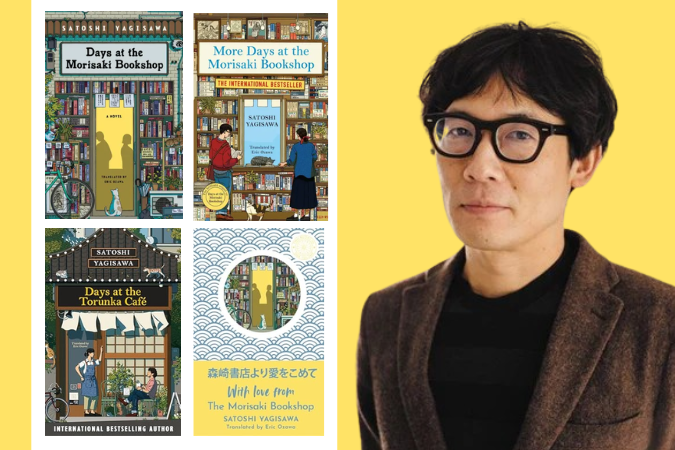
Satoshi Yagisawa is the internationally bestselling author of Days at the Morisaki Bookshop, his debut novel which won the Chiyoda Literature Prize.
writes with simplicity and emotional clarity. His stories focus on ordinary people, everyday spaces, and the quiet bonds that form without announcement. His writing style is central to why Days at the Morisaki Bookshop feels so personal and lived-in.
He has also authored More Days at the Morisaki Bookshop, and Days at the Torunka Café.
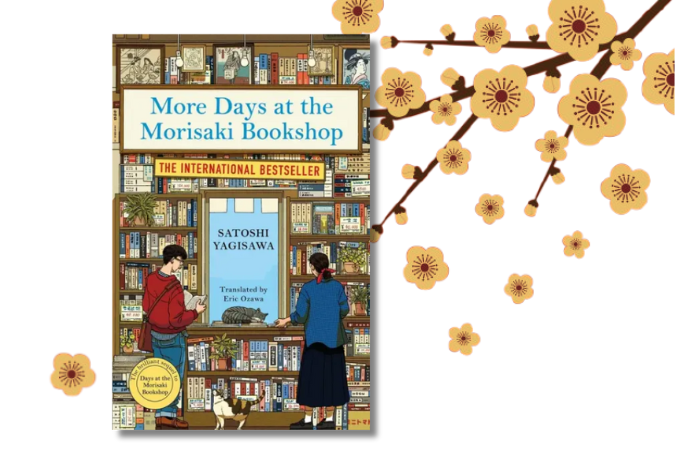
The most obvious and rewarding follow-up is this sequel, which returns to Takako, her uncle Satoru, and the tightly packed shop in Jimbocho. Life has settled into a rhythm, but new questions surface. Takako takes on more responsibility, new visitors bring fresh stories, and the shop itself reveals how deeply it connects everyone who passes through. The novel expands the idea that bookshops are living spaces shaped by people, not just books. It’s familiar, comforting, and quietly curious about what comes next.
Set around a Tokyo community library, this novel follows five people stuck in different stages of dissatisfaction. Each encounters Sayuri Komachi, an intuitive librarian who offers them unexpected book recommendations. These books don’t solve problems instantly, but they plant ideas. This story celebrates how books quietly redirect lives. The structure is episodic, but the emotional throughline is clear: small guidance can lead to lasting change.
A small café in Tokyo allows customers to travel briefly into the past—under strict rules. Each visitor comes with emotional baggage they hope to resolve. While this globally bestselling novel introduces a speculative element, its heart remains firmly human. Regret, missed chances, and reconciliation sit at the centre. Fans of Days at the Morisaki Bookshop will appreciate the contained setting, recurring characters, and the focus on emotional closure rather than spectacle.
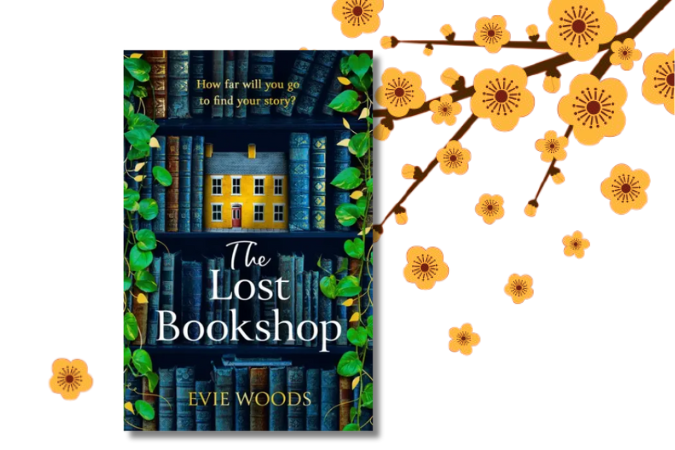
By Evie Woods
Set in Dublin, this novel follows three strangers drawn to a mysterious bookshop that seems to appear only when needed. Opaline, Martha, and Henry each arrive with unresolved pasts. As the shop reveals its secrets, they begin to reclaim agency over their lives. While more whimsical than Days at the Morisaki Bookshop, it shares the belief that books and bookshops can quietly change trajectories. A good choice for readers who are open to light magic grounded in emotion.
By Hiro Arikawa
Told partly from the perspective of Nana, a sharp-tongued but loyal cat, this novel follows a road trip across Japan with his owner, Satoru. On the surface, it’s about visiting old friends. Underneath, it’s about unspoken goodbyes. Like Days at the Morisaki Bookshop, the story moves gently and trusts readers to notice what’s left unsaid. The emotional weight builds slowly, making the final reveal both tender and devastating. A strong pick if you enjoyed the emotional restraint of Morisaki.
Sentaro runs a small dorayaki shop and feels trapped by past failures. His life changes when Tokue, an elderly woman with a painful history, begins helping him make sweet bean paste. Their growing friendship is tender and complex. Like Days at the Morisaki Bookshop, this novel explores loneliness, dignity, and how shared routines build trust. It’s understated, deeply human, and rooted in everyday labour.
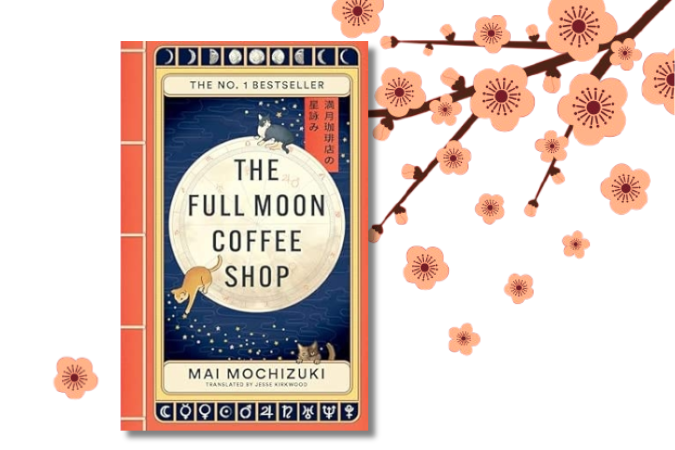
This novel centres on a magical, wandering café run by talking cats who offer astrological guidance to lost customers. Each visitor stands at a crossroads, unsure how they arrived there. While more whimsical than the Morisaki books, the emotional goal is similar: reassurance. The book blends fantasy with reflection, making it a comforting read for anyone feeling directionless.
If Days at the Morisaki Bookshop spoke to you, chances are you value mood over momentum and connection over conflict. They allow stories to unfold quietly. They trust readers. And most importantly, they remind us that ordinary places like bookshops, cafés and libraries often hold extraordinary turning points.